VinUniversity initiates a new dialogue on Advancement for Vietnam’s Higher Education
April 21, 2026


On April 17, 2026, VinUniversity hosted the Strategic Fundraising and Advancement workshop for Higher Education, convening international experts, academic leaders, and representatives from universities in Vietnam and abroad. Beyond a platform for sharing experiences, the event opened a substantive dialogue on how Vietnamese universities can approach advancement as a strategic capability to support long-term growth.
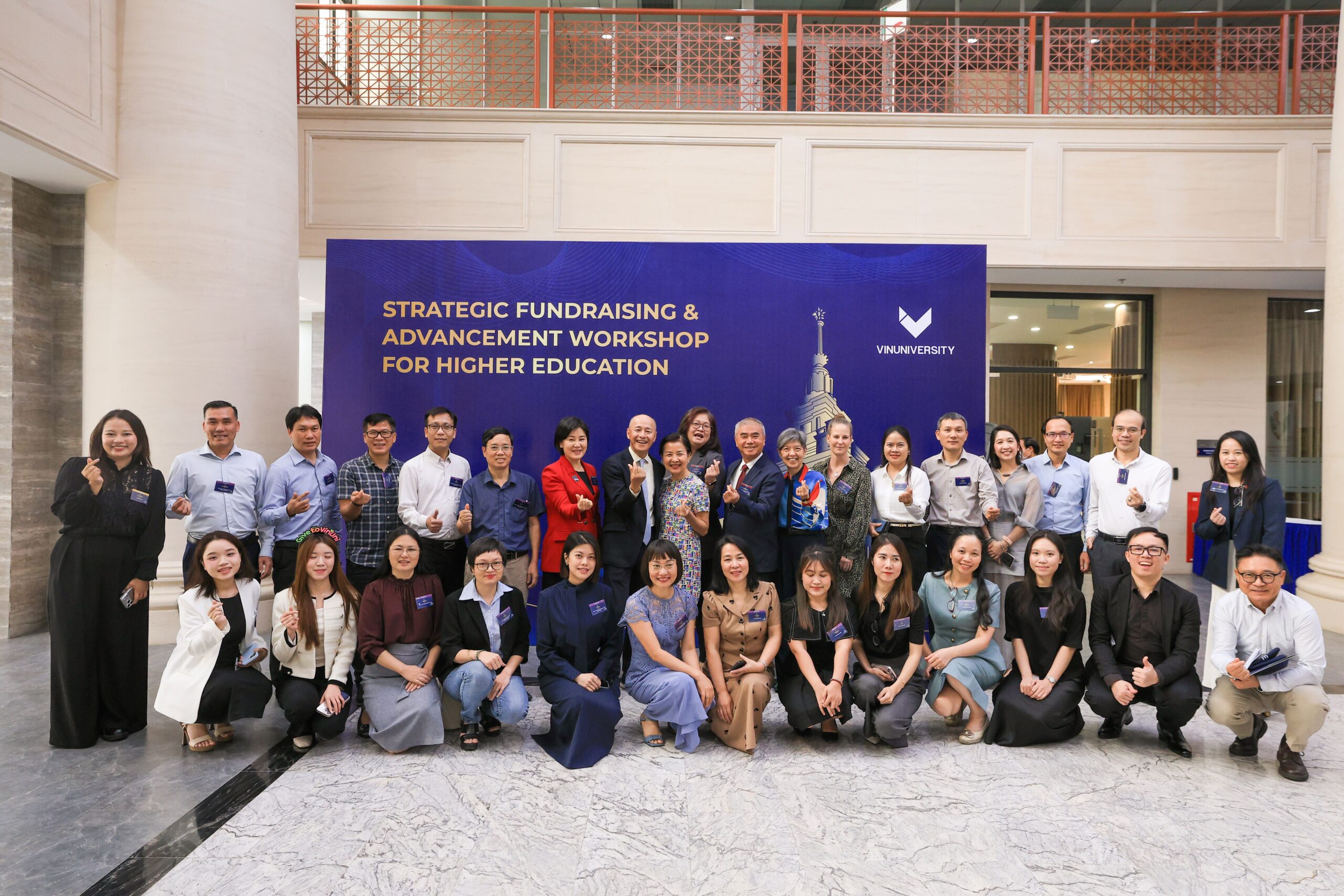
When Fundraising is no longer just about seeking support
One of the workshop’s key contributions was reframing the concept of fundraising and advancement in higher education in Vietnam. Rather than viewing it merely as the pursuit of financial donations, speakers emphasized that advancement should be understood as a strategic function, closely tied to an institution’s vision, reputation, partnerships, and organizational capacity.
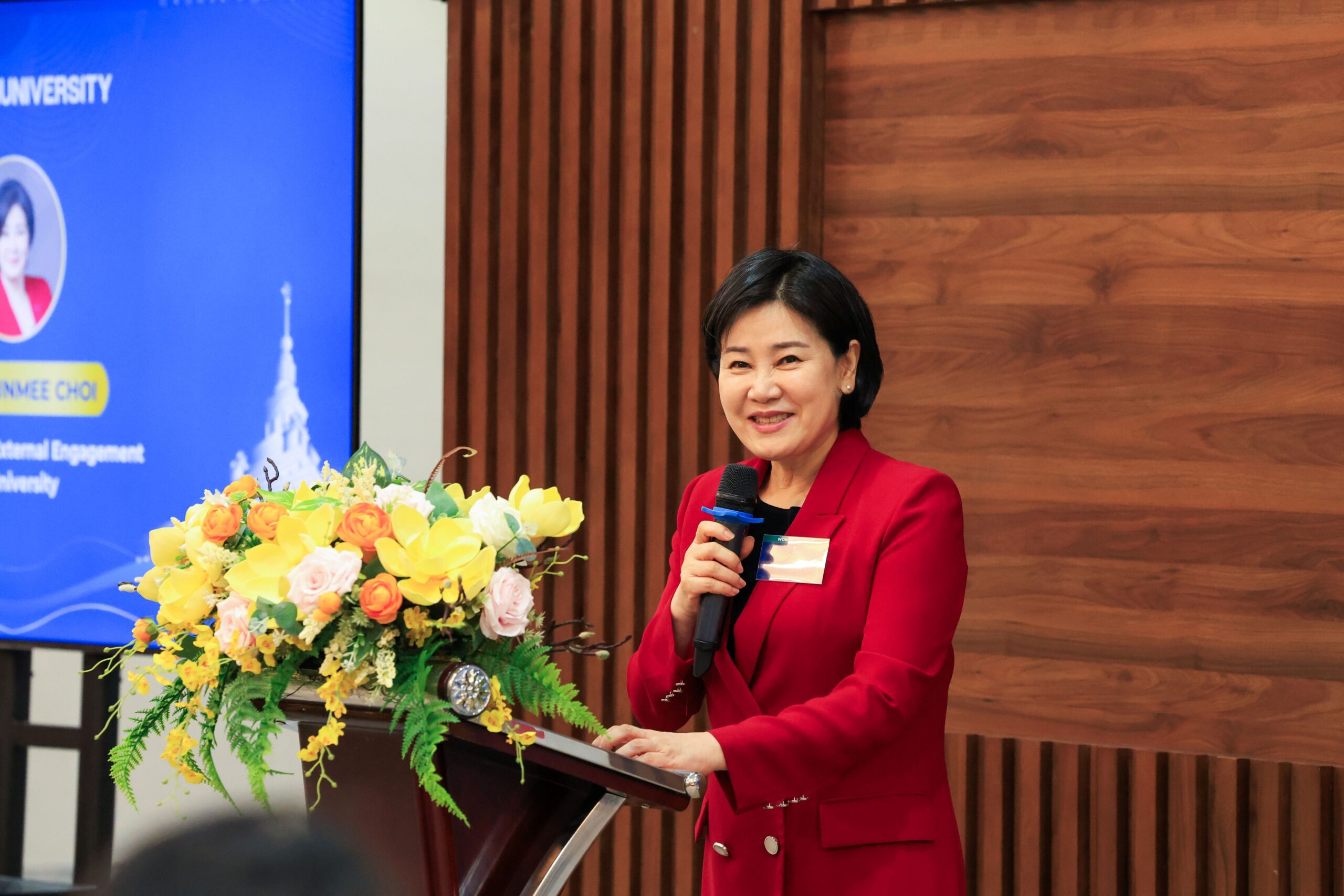
In the opening remarks, Prof. Sunmee Choi, Vice Provost of External Engagement at VinUniversity, underscored that fundraising is not just about securing financial resources. It is about creating opportunities for students, expanding partnerships with businesses and organizations, engaging alumni communities, and collectively shaping the future of education in Vietnam. She noted that while individual institutional success is valuable, the broader impact will be far greater if universities strengthen their advancement capabilities together to benefit the entire higher education system.
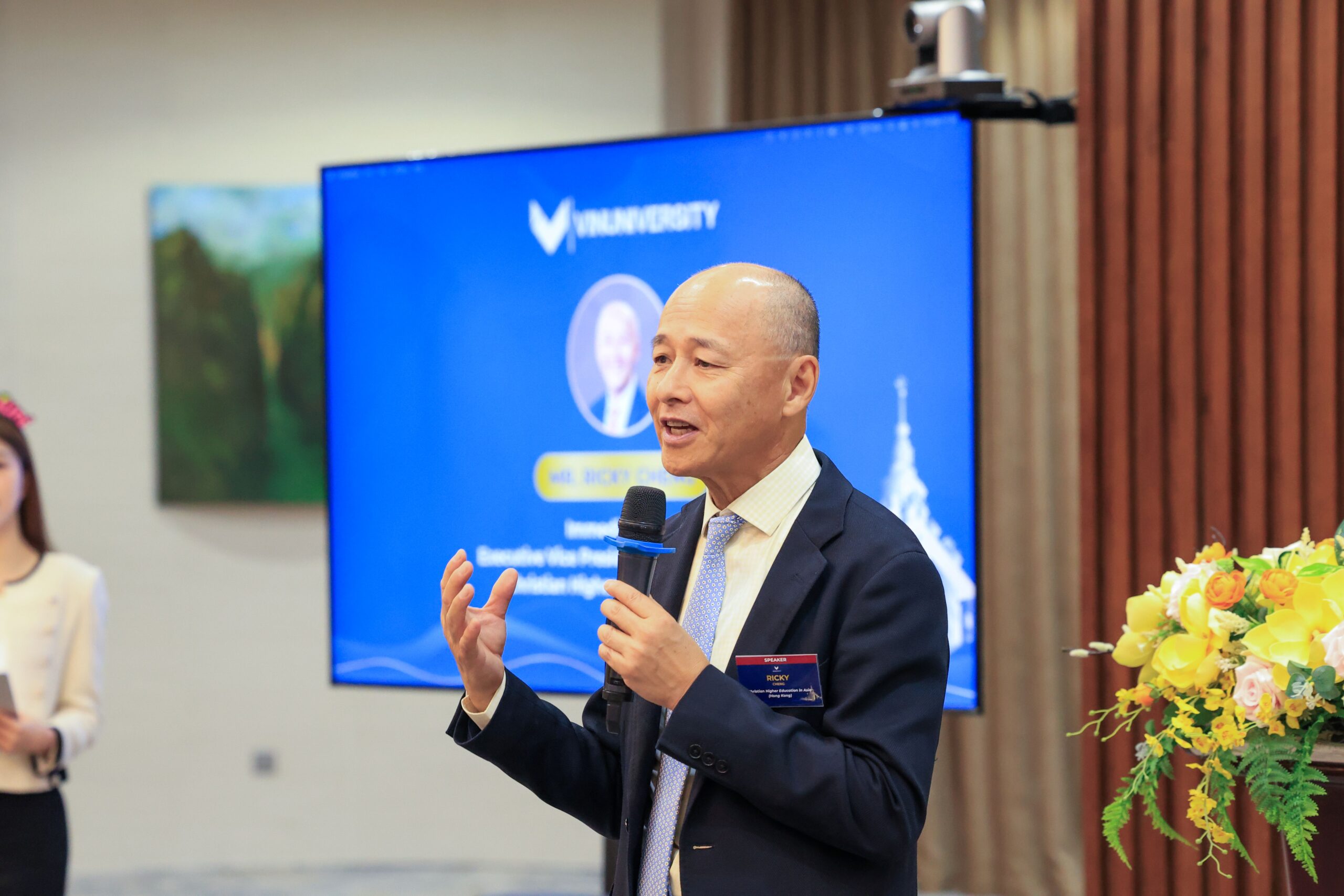
Throughout the program, Mr. Ricky Cheng, Immediate Past Executive Vice President of the United Board for Christian Higher Education in Asia, described advancement as a comprehensive function of modern universities, built on three pillars: reputation, relationships, and resources. Reputation builds trust; trust enables institutions to cultivate and sustain relationships; and these relationships ultimately translate into sustainable resources. These resources extend beyond financial contributions to include scholarships, internship opportunities, research collaborations, partner networks, and long-term alumni engagement.
Advancement as a Strategic Function of higher education
A key message emphasized by Mr. Cheng was that universities do not raise funds merely to sustain themselves, but to move beyond their current position. He observed that university leaders often clearly see opportunities to strengthen their institutions from student scholarships and research investments to faculty development and infrastructure improvements yet are constrained by existing budgets. Advancement, therefore, should be seen as a gateway to new possibilities rather than simply a response to financial pressures.
From this perspective, the workshop also addressed a major challenge faced by many Asian universities, including those in Vietnam: the issue is not a lack of generosity, but rather a hesitation in proactively and strategically making a compelling ask for support. Resource mobilization thus requires not only technical skills but also a shift in mindset among university leadership and governance.
Alumni and the power of long-term connections
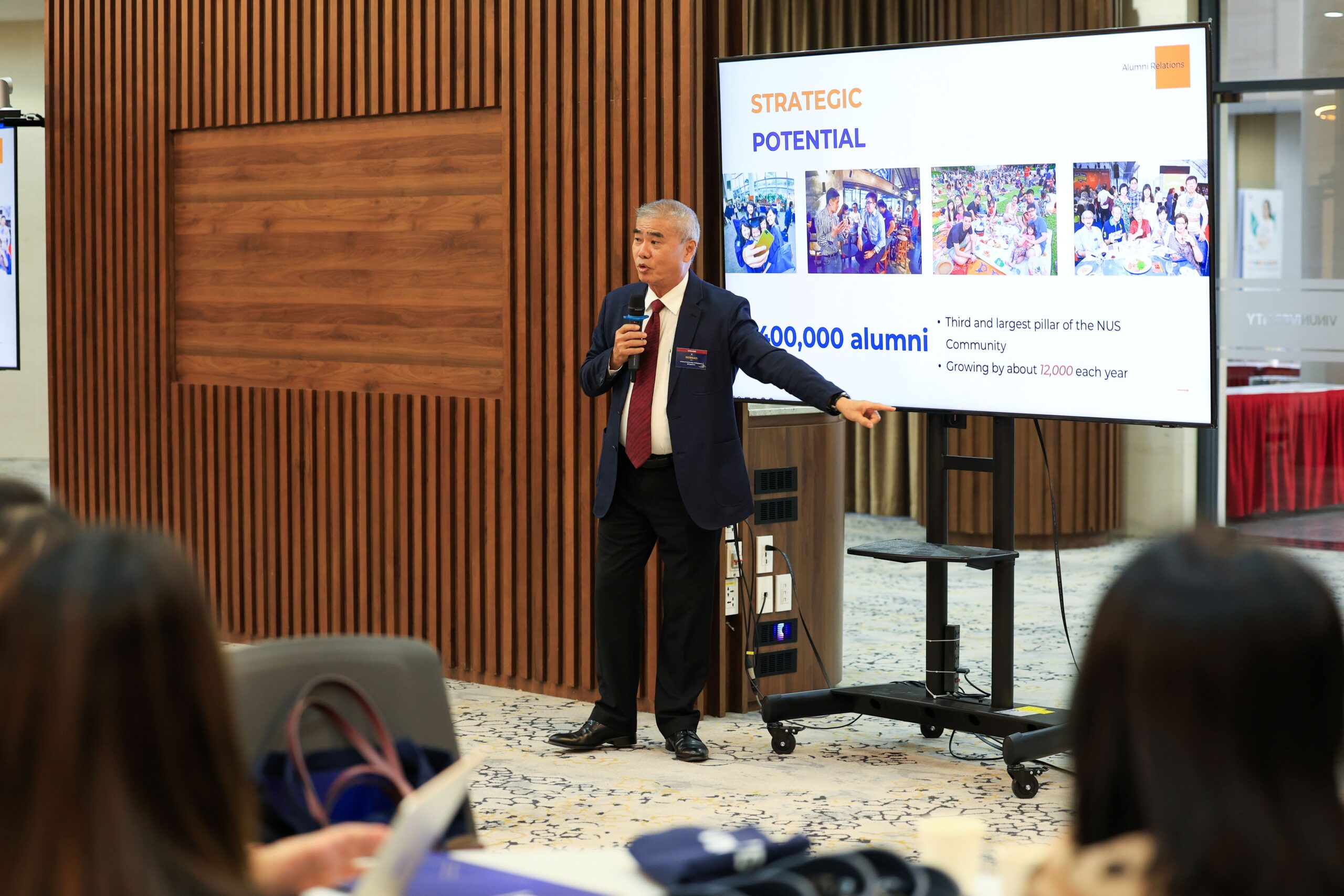
In addition to fundraising, alumni relations were highlighted as a critical pillar of advancement. Drawing on his experience at the National University of Singapore, Mr. Bernard Toh, Immediate Past Director of Alumni Relations, emphasized that alumni engagement should be regarded as a long-term institutional asset rather than a peripheral activity. Alumni contribute not only financially but also as brand ambassadors, mentors, employers, connectors, and advocates for the university’s reputation. He noted that the true value of alumni communities lies not only in major gifts but also in the cumulative impact of sustained, consistent engagement over time.
Offering a practical perspective, Dr. Meilinda, Director of the Development Office at Petra Christian University (Indonesia), shared insights into building an advancement function within her institution. Starting from a lean structure, the university gradually developed an integrated model that aligns fundraising and alumni relations with governance and institutional strategy. A key takeaway from this case was that advancement cannot be the responsibility of a single department; it requires leadership alignment, robust data systems, appropriate talent, and strong cross-unit coordination.
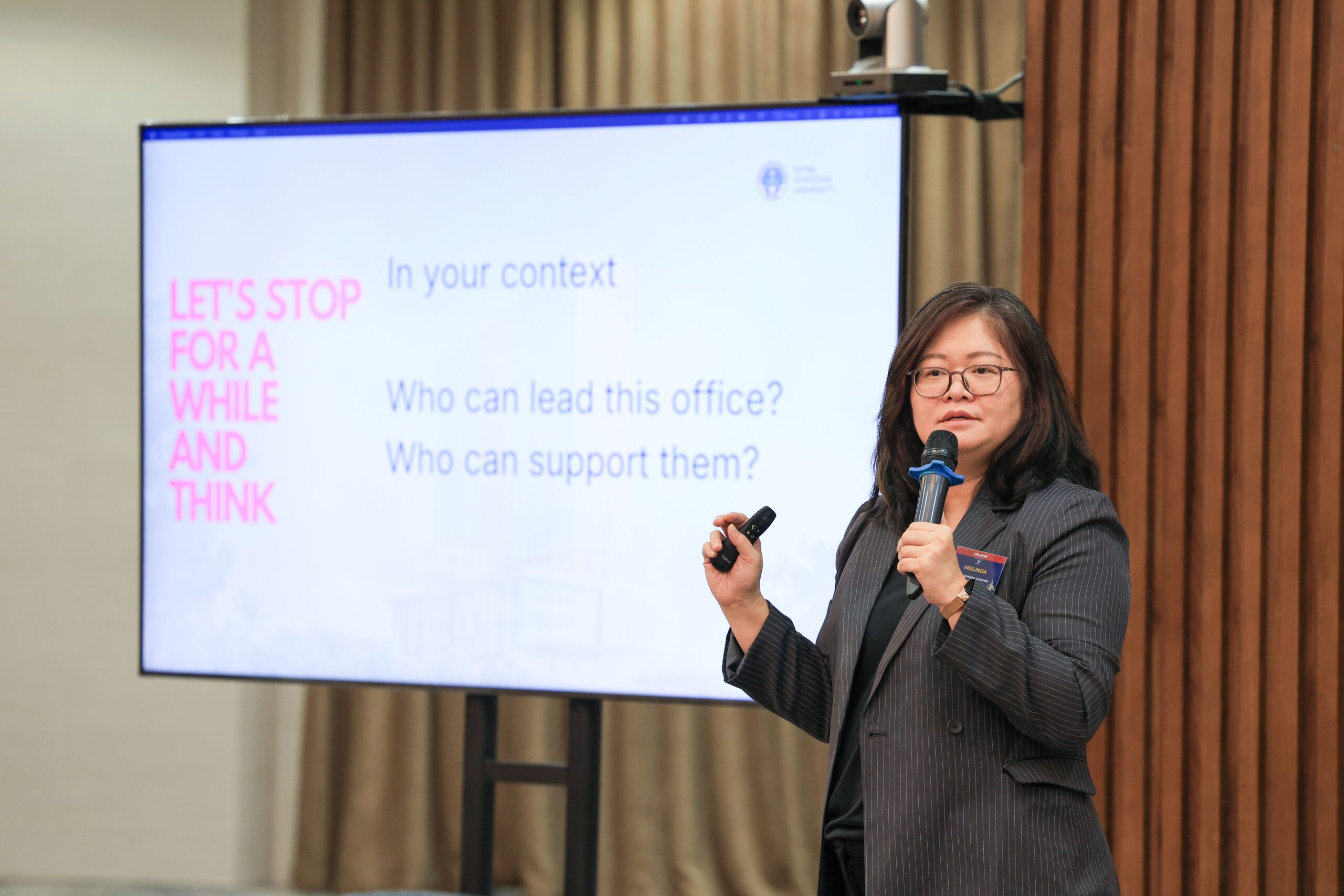
Building on these international perspectives, the workshop also raised a broader question for Vietnam: how to create a more enabling ecosystem for advancement in higher education. Participants noted that beyond institutional efforts, systemic conditions are needed from supportive policies and incentive mechanisms to broader societal awareness that contributing to universities is not merely short-term support, but an investment in the future.
VinUniversity’s first steps in Advancement
In closing remarks, Prof. Sunmee Choi shared VinUniversity’s initial steps and achievements in developing its advancement capabilities. In a short period, the university has begun establishing a dedicated team, launching scholarship and student support funds, expanding research partnerships with industry, and piloting engagement models with alumni, parents, partners, and internal communities. She emphasized that success should not be measured solely by the amount of funds raised, but by creating a new approach where every contribution is tied to a clear purpose, tangible impact, and long-term trust in the university’s mission.
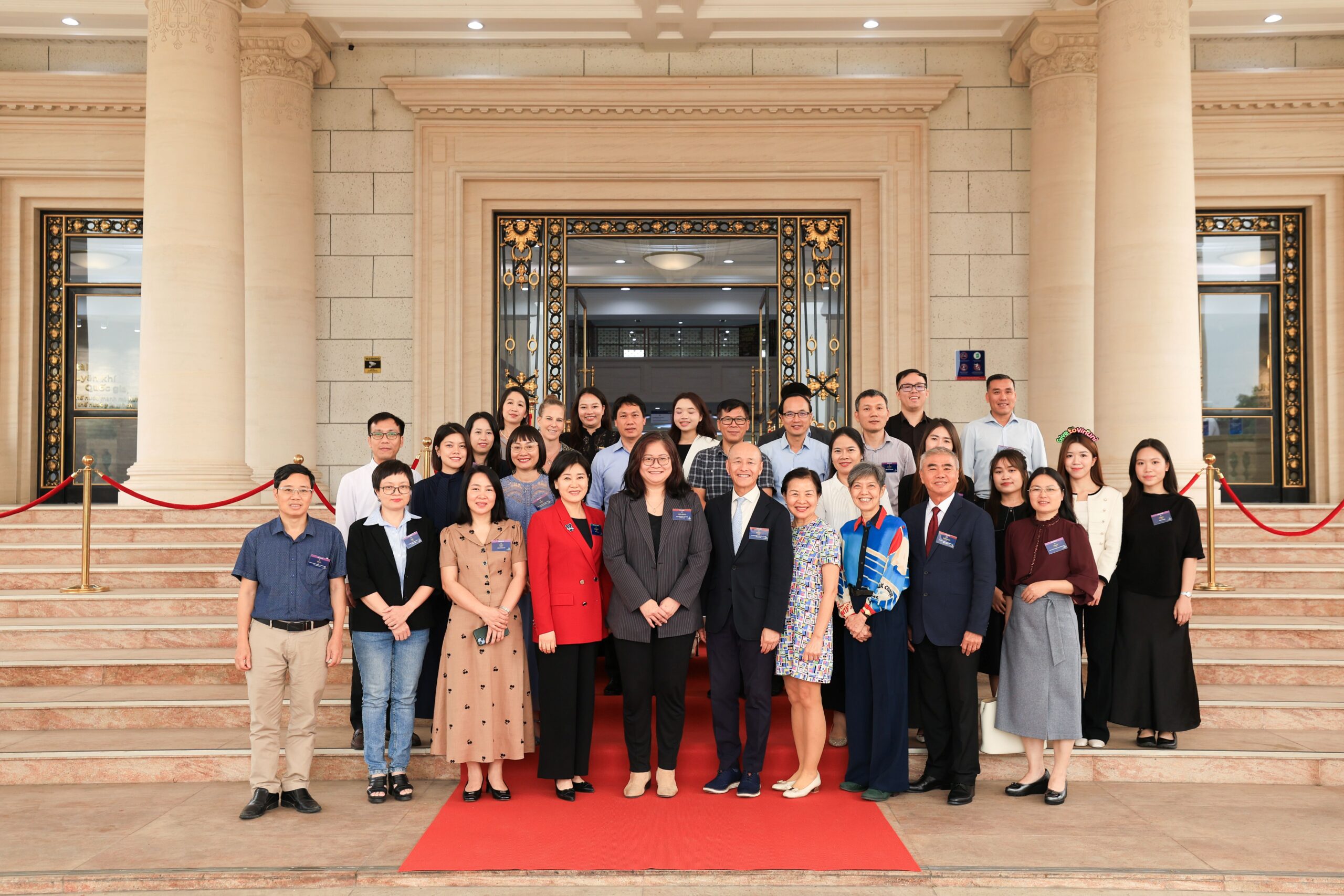
By hosting this workshop, VinUniversity not only initiated a conversation on a relatively new topic to many institutions in Vietnam but also proactively laid the foundation for a broader dialogue on the future of advancement in higher education both nationally and globally. From international insights to VinUni’s early initiatives, the program conveyed a consistent message: to build universities capable of creating meaningful impact, advancement must be embraced as a strategic, systematic, long-term, and collaborative capability.




