VinUniversity reflects on the art of engaging students in a changing learning landscape
February 9, 2026


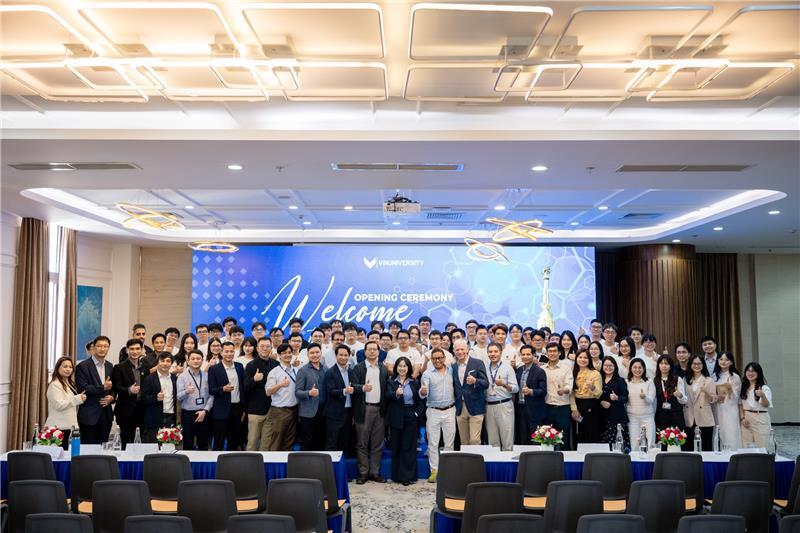
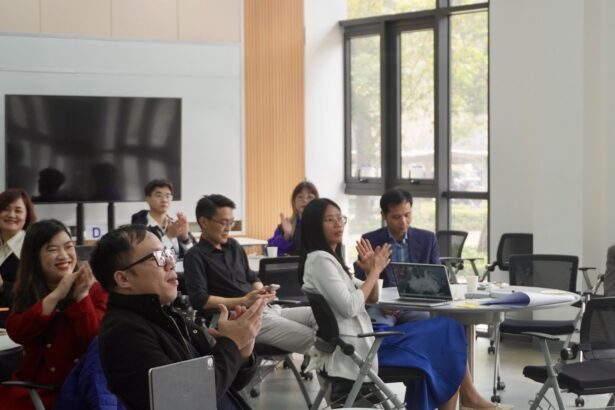
On February 6th, 2026, Center for Education Management hosted the Year-end Pedagogical Innovation Sharing: The Secret to Engaging Students – a meaningful gathering that brought faculty members together for an open, reflective conversation on teaching in a rapidly evolving learning landscape. Designed as both a professional exchange and a year-end gathering, the session created space for educators to share real classroom stories, discuss practical strategies for engaging students in the age of AI, and reflect on what continues to shape meaningful learning experiences.
The event featured some Faculty of Choice 2025 – a student-nominated recognition introduced during Teachers’ Day to honor faculty whose teaching has made a lasting impression on learners. Their presence grounded the discussion in authentic student voice, reminding the community that impactful teaching is ultimately measured through the growth and success of our students.
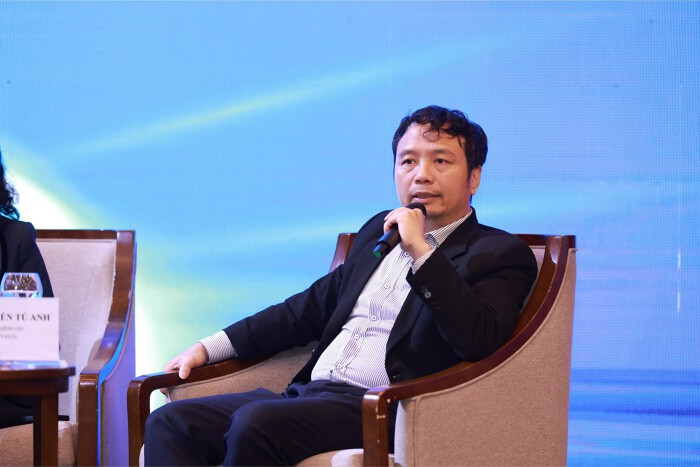
Featured speakers include:
Several key insights emerged from the discussion:
Raise the bar – and walk alongside students
Academic excellence and integrity remain non-negotiable. Yet faculty emphasized that standards are most transformative when paired with transparency and consistent support.
Sr. Lecturer Jons Nichols shared how CAS implements clear grading rubrics with explicit expectations: students either meet the standard, or they do not, but importantly, they are given one opportunity to retake assessments. This approach reinforces accountability while signaling that growth remains part of the learning journey.
Teach through problems, not just solutions
Deep learning rarely comes from memorizing established answers. Instead, it emerges when students are encouraged to wrestle with ambiguity, recognize patterns, and frame the right questions.
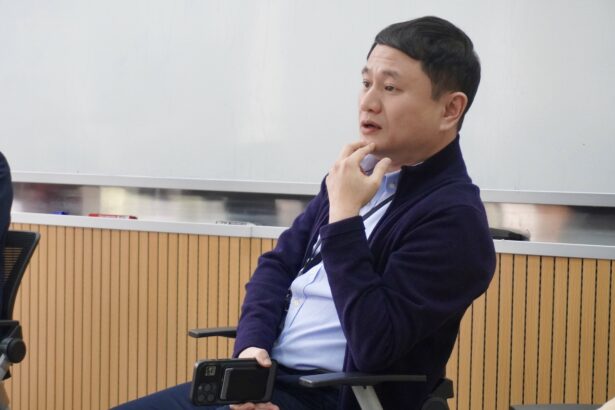
Assoc. Prof. Kok-Seng Wong (CECS) described intentionally creating moments of productive confusion in his classroom, prompting students to actively identify problems and propose solutions rather than passively absorb knowledge. Discomfort, when thoughtfully designed, becomes a catalyst for intellectual independence.
Embrace the beauty of incompleteness
Mistakes are not interruptions to learning; they are often its most powerful drivers. Faculty highlighted the importance of cultivating environments where uncertainty feels navigable rather than intimidating.
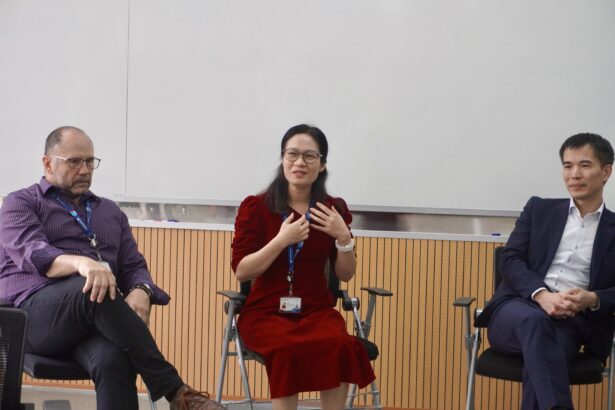
Assoc. Prof. Nguyễn Thị Hương Liên (CBM) captured this mindset succinctly: “There is no wrong answer, only an opportunity to contribute and refine.” Her bonus-point participation system encourages every student voice, ensuring that no one is left behind while reinforcing the classroom as a space for intellectual risk-taking.
See students as co-creators of value, not customers
Learning thrives when students move beyond passive participation to become active partners in the educational process. The value they derive is closely tied to the ownership, effort, and curiosity they bring into the classroom.
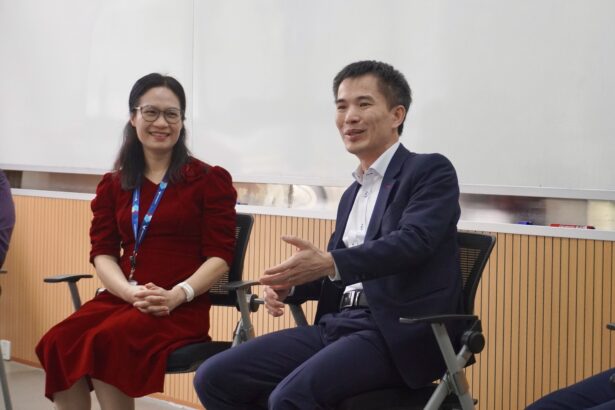
Reinforcing this perspective, Asst. Prof. Nguyễn Xuân Hưng (CHS) offered a lighthearted yet profound reminder to fellow educators: “Imagine – ten years from now, these very students may be the ones caring for us.”
The room responded with knowing laughter, but the implication was unmistakable – the stakes of teaching extend far beyond course evaluations or graduation rates. Educators are shaping professionals whom society will one day trust, depend on, and turn to in moments that matter most.
The session then evolved into a lively exchange on academic integrity and assessment in the AI era. Faculty openly discussed emerging challenges – from students using AI in capstone projects to the growing expectation for cheat sheets, often driven by pressure to secure high grades. These candid reflections underscored a shared reality: teaching is becoming more complex, and maintaining rigor requires continuous adaptation in assessment design, policy clarity, and classroom expectations.
More importantly, the energy in the room demonstrated that participants came not only to listen, but to contribute – generously sharing experiences, raising difficult questions, and learning from one another. The dialogue reflected CEM’s commitment to building a culture of creativity, innovation, and continuous learning.
At VinUniversity, pedagogical innovation is not about chasing trends. It is a shared mission to continuously refine how we support student growth, uphold learning integrity, and prepare graduates for an increasingly complex world. CEM is proud to foster these cross-disciplinary conversations and remains committed to empowering faculty in advancing pedagogical innovation across VinUniversity.