What Is Computer and Information Science? Explore the Field
November 14, 2025


What is Computer and Information Science: Where human meets artificial intelligence
In an era defined by digital transformation, understanding what is Computer and Information Science has become essential. VinUniversity offers a clear introduction to this dynamic field, where technology, logic, and creativity converge to power innovation and reshape the way people live and work in the modern world.
An introduction to what is Computer and Information Science is the first step to exploring one of the most impactful disciplines in the modern world. The field blends theory, technology, and creativity to solve real-world problems through computation and data-driven innovation.
What is Computer and Information Science in today’s context? It is the study of how information is represented, processed, and communicated through computational systems. The discipline connects scientific theory with engineering practice-building the foundation for digital infrastructure, automation, and intelligent systems that power industries from healthcare to finance.
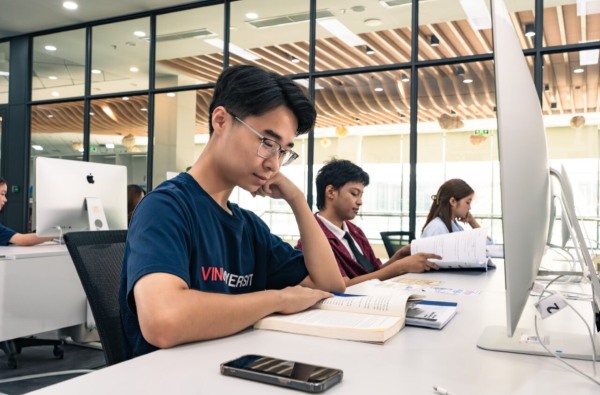
Exploring the Core of a Dynamic Digital Discipline
When exploring what is Computer and Information Science, students can specialize in a variety of areas that reflect both current and emerging technological needs. Each specialization equips learners with unique skill sets applicable to research, industry, and innovation. Common areas include:
These focus areas are often included in a what is Computer and Information Science course, allowing learners to align their studies with personal interests and future career goals within the global network of leading computer science programs.
A common question about what is Computer and Information Science concerns its difference from Information Technology (IT). While IT focuses on the implementation and maintenance of systems, Computer and Information Science emphasizes computational theory, algorithms, and system design. In short, IT applies tools-CIS builds them.
What is Computer and Information Science without context? It’s the invisible framework supporting digital transformation worldwide. From artificial intelligence in smart cities to secure online transactions and data analytics in global enterprises, this field drives innovation, efficiency, and progress. Professionals in this discipline not only shape emerging technologies but also benefit from competitive Computer and Information Science salary levels due to high industry demand.
Discovering what is Computer and Information Science opens the door to diverse and rewarding career opportunities in technology-driven industries. Graduates can apply analytical thinking, programming, and problem-solving skills to solve real-world challenges across multiple domains.
Exploring what is Computer and Information Science helps students explore diverse and impactful career paths in technology and innovation. Graduates can apply their analytical and programming skills to various professional roles, including:
Each of these roles reflects how what is Computer and Information Science connects theory and practice. Graduates gain flexible skills that fit multiple industries, from finance and healthcare to manufacturing, education, and public service.
The growing need for skilled professionals directly impacts Computer and Information Science degree salary levels. As technology continues to shape every sector, graduates with strong technical and analytical skills are in high demand. According to global industry data, Computer and Information Science salary ranges often exceed other entry-level positions, reflecting the strategic importance of the field.

Pathways to Innovation and Rewarding Careers
What is Computer and Information Science beyond borders? Its applications extend across industries and continents, enabling graduates to work in global teams that combine engineering, design, and business expertise. This international environment allows professionals to adapt their skills and collaborate on projects that drive innovation worldwide.
By understanding what is Computer and Information Science, professionals not only build technology but also shape how society interacts with it. From data security to artificial intelligence and sustainable computing, graduates help advance research and develop new solutions that influence the future of industries and communities.
Defining what is Computer and Information Science also means recognizing what makes a high-quality academic program. A strong program combines theory, practice, and innovation to equip students with the skills demanded by today’s digital industries.
A well-structured Computer and Information Science course should reflect both foundational theories and emerging technologies. The curriculum is designed based on scientific principles and continuously updated to include areas such as artificial intelligence, data science, cybersecurity, and software engineering. This approach ensures that students not only understand core computing concepts but also apply them to real-world challenges-an essential step toward strong career prospects and competitive Computer and Information Science salary outcomes.
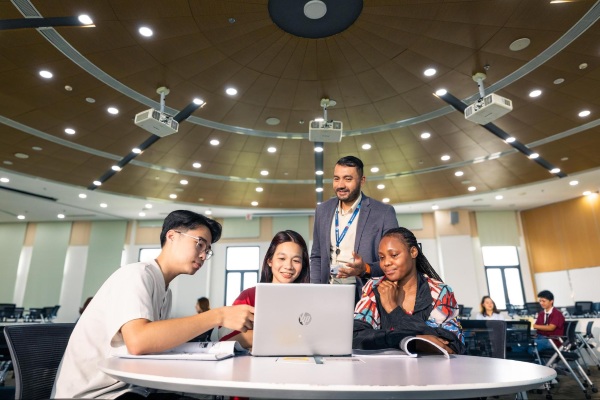
Building a Foundation for Future Tech Leaders
Another key factor in what is Computer and Information Science education lies in the faculty’s expertise. Programs taught by experienced lecturers and researchers help bridge academic theory with industry application. Faculty members who are active in research, consulting, or technology projects provide students with valuable insights that align with evolving industry standards.
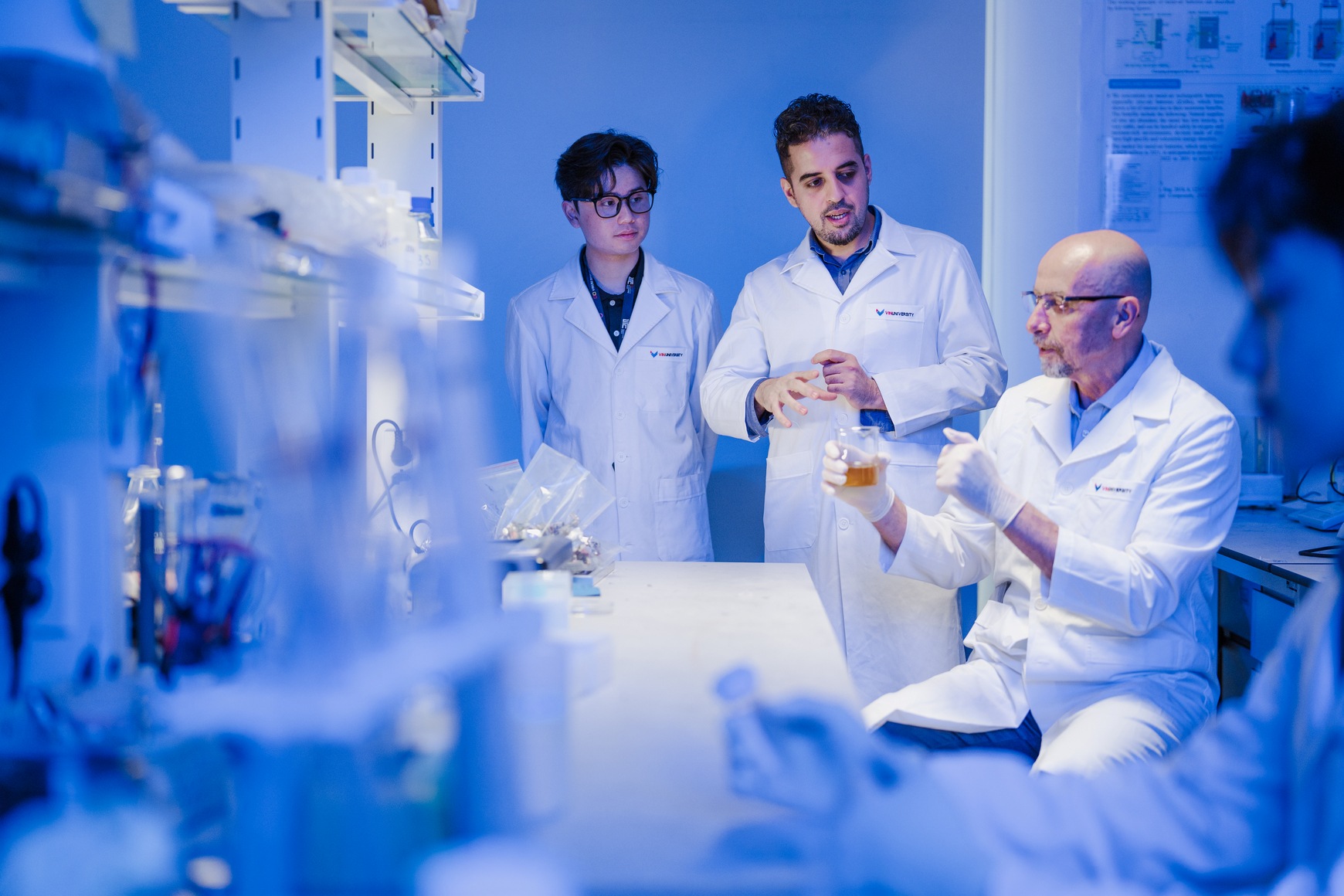
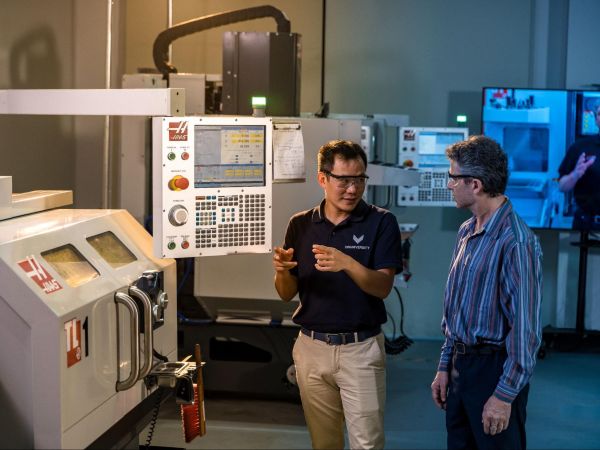
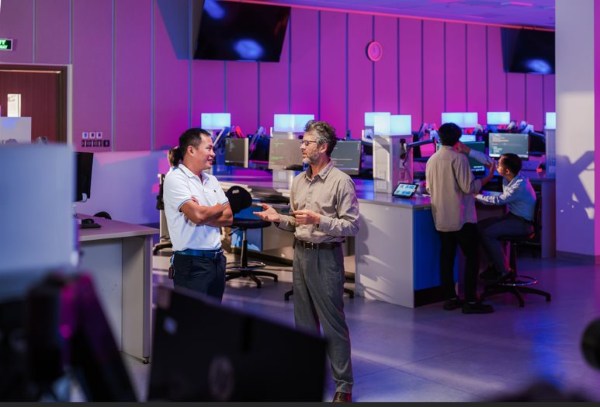
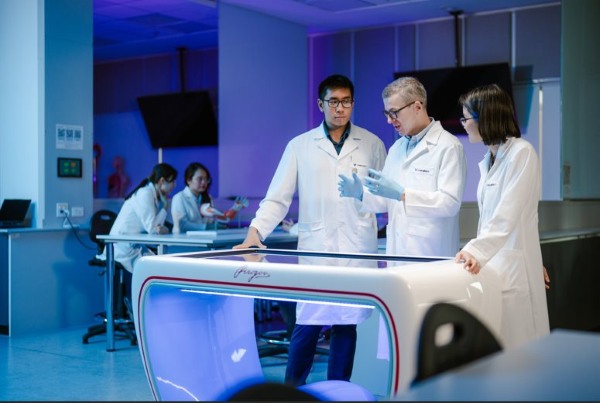
Practical learning is an integral part of what is Computer and Information Science. Access to state-of-the-art facilities, innovation labs, and advanced computing environments allows students to experiment with real-world problems. Whether working on artificial intelligence prototypes or secure data systems, these labs give students hands-on experience that directly supports their learning outcomes.
A quality Computer and Information Science course offers opportunities for professional growth beyond the classroom. Internships with industry partners, research collaborations, and exchange programs enable students to apply their skills in real settings, develop professional networks, and understand how global innovation ecosystems operate. These experiences also play a significant role in determining future Computer and Information Science degree salary levels, as employers value graduates with practical exposure and research experience.
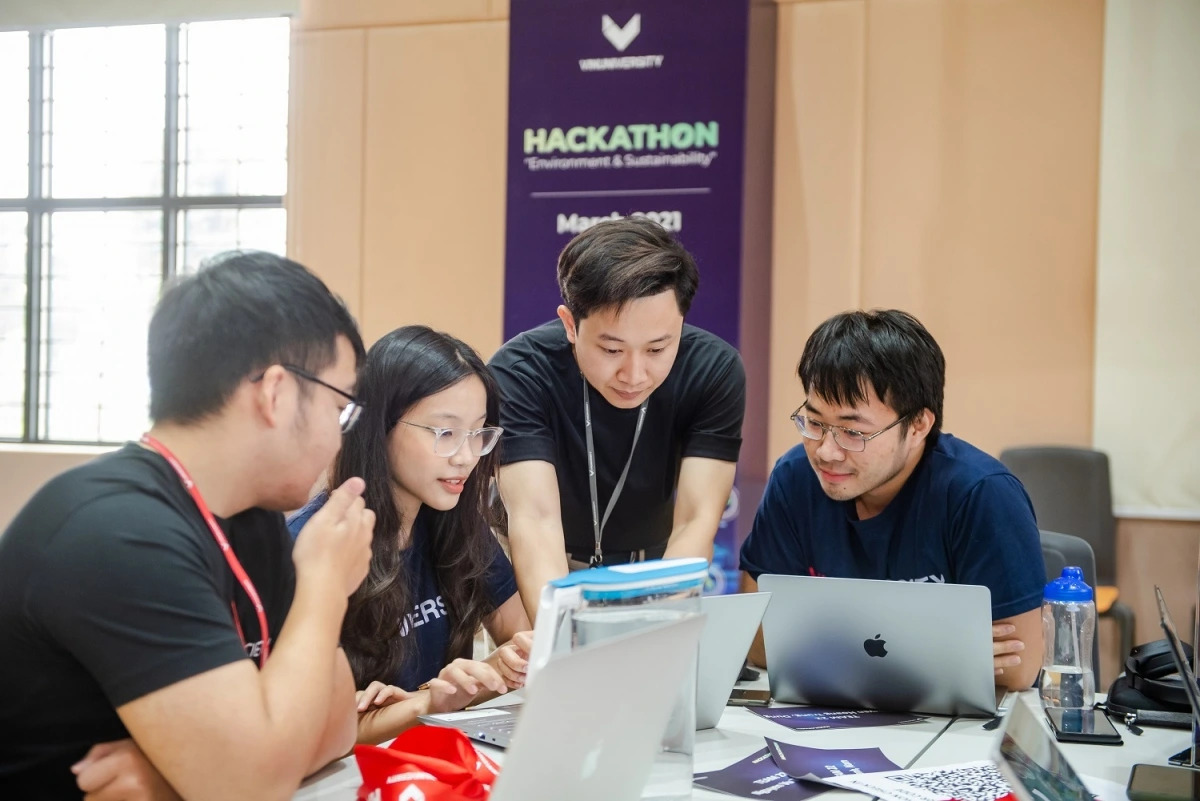
Innovation stands at the heart of what is Computer and Information Science. A creative learning environment encourages students to think critically, collaborate across disciplines, and design solutions that address modern challenges. Through project-based learning, hackathons, and interdisciplinary research, students develop creativity and resilience-qualities that define successful graduates in the technology sector and contribute to the growing reputation of leading computer science programs worldwide.
At VinUniversity, programs in Computer and Information Science are developed under the College of Engineering and Computer Science, with academic guidance from Cornell University. Each program is designed to equip students with a balance of theoretical foundation, practical experience, and research capability-ensuring graduates are ready to contribute to Vietnam’s and the world’s digital transformation.
The Bachelor of Science in Computer Science at VinUniversity provides a strong academic foundation combined with hands-on projects, modern labs, and industry engagement. The curriculum follows international standards developed with Cornell University, integrating fundamental courses such as Programming, Data Structures and Algorithms, Computer Systems, Artificial Intelligence, and Software Engineering.
Students also engage in multidisciplinary projects that connect computing with business, health, and engineering challenges. Through internships and applied research, learners develop analytical thinking, creativity, and teamwork-skills essential for future careers in technology, research, and innovation.
Graduates are prepared for positions such as Software Engineer, Data Analyst, AI Specialist, or Cybersecurity Associate. The program also creates a strong pathway toward graduate studies in advanced computing or data-related fields.

Programs that Blend Theory with Real-World Impact
The Doctor of Philosophy (PhD) in Computer Science program at VinUniversity focuses on developing independent researchers and future academic leaders. Under the mentorship of experienced international faculty, doctoral students engage in high-impact research aligned with VinUniversity’s strategic directions: Artificial Intelligence and Robotics, Data Science, Smart Cities and Sustainability, and Health Informatics.
The program encourages interdisciplinary collaboration, allowing PhD candidates to connect computer science research with real-world problems in healthcare, environment, and urban innovation. With access to advanced computing labs, global research networks, and international publication opportunities, students gain both depth and breadth in their chosen research areas.
Upon graduation, PhD holders are expected to contribute to academia, R&D centers, and the technology industry, driving innovation and advancing Vietnam’s scientific ecosystem.
Choosing where to study Computer and Information Science is more than selecting a degree, it’s about finding an environment that nurtures curiosity, critical thinking, and real-world problem solving. At VinUniversity, students learn within a global academic ecosystem built on rigorous standards and meaningful industry engagement.
VinUniversity’s programs are developed in collaboration with Cornell University, ensuring academic excellence and global relevance. The curriculum blends theoretical foundations with applied research, preparing students for evolving technological challenges. Each course is reviewed and refined based on international benchmarks, giving students the skills and mindset to thrive in global industries.
VinUniversity’s faculty consists of accomplished researchers and practitioners who bring experience from diverse academic and industrial backgrounds. They guide students through both the theoretical and applied aspects of Computer and Information Science, helping them bridge classroom learning with professional practice.

A Community Empowering Global-Minded Innovators
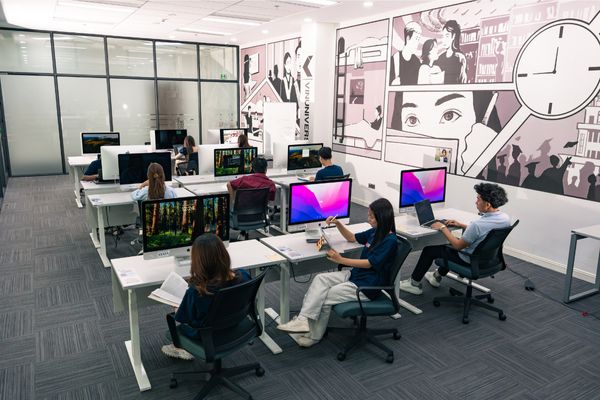
The university provides a modern learning environment equipped with advanced computing laboratories and high-performance systems. These facilities enable students to design, test, and implement innovative solutions-essential for those pursuing studies in data science, cybersecurity, and artificial intelligence.
At VinUniversity, learning extends beyond the classroom. Students participate in internships, joint research initiatives, and global collaborations that build professional confidence and expand their networks. These experiences not only enhance employability but also influence long-term career outcomes, including future Computer and Information Science salary potential.
VinUniversity maintains an active and diverse alumni community working across industries such as technology, consulting, and finance. Alumni often return as mentors, guest speakers, or research collaborators offering valuable guidance to current students navigating their early careers. This strong network fosters a supportive ecosystem that encourages both academic excellence and professional growth.
We invite you to visit VinUniversity’s official website at https://vinuni.edu.vn/ to learn more about its vision and opportunities for future students and researchers.
Studying Computer and Information Science at VinUniversity means exploring how technology and data drive modern innovation. This field focuses on applying computation to solve real-world challenges through areas such as AI, data science, cybersecurity, and software engineering. Developed in collaboration with Cornell University, VinUniversity’s programs global academic excellence with hands-on experience, preparing students with technical expertise, creativity, and leadership for the digital future.