Vietnam Symposium on Rechargeable Batteries 2025: A Milestone for Vietnam’s Battery Research Community
November 17, 2025


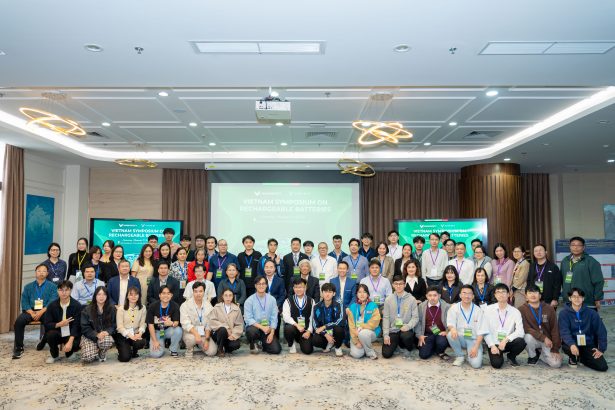
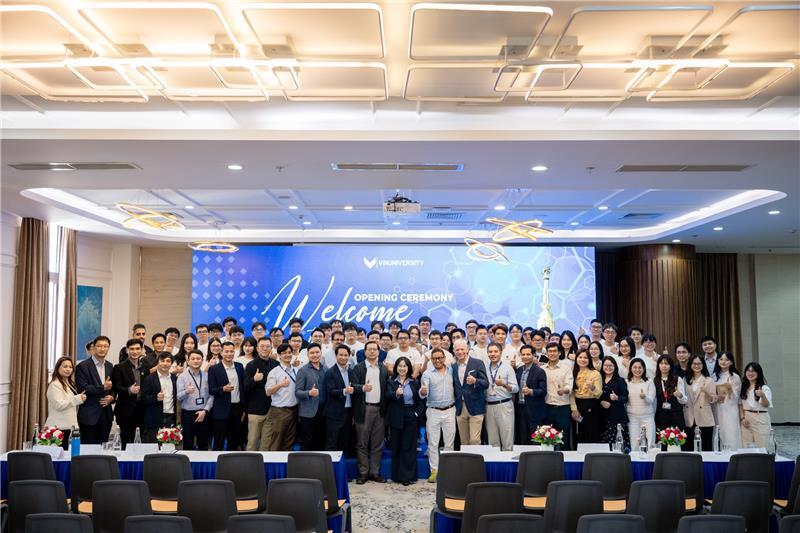
On November 8, the Vietnam Symposium on Rechargeable Batteries 2025 successfully gathered nearly a hundred participants from academia, research institutions, and industry to exchange ideas on the future of sustainable energy storage. Hosted by VinUniversity, the one-day event served as an important milestone in linking Vietnam’s emerging battery research community with global scientific and industrial developments.
A Gathering for the Future of Clean Energy
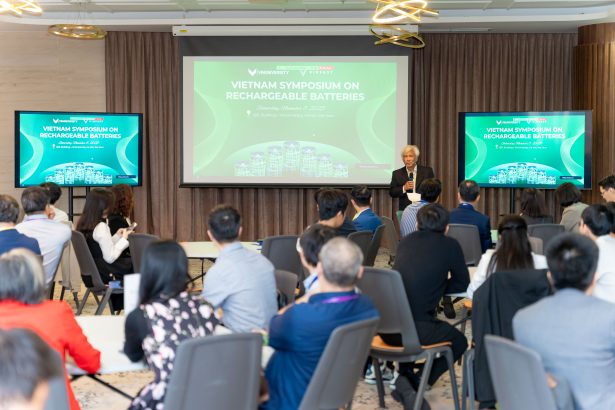
In his opening remarks, Professor Nguyen Minh Tho, Distinguished Professor at VinUniversity and Emeritus Professor at KU Leuven (Belgium), emphasized the urgency of transitioning from fossil fuels to cleaner, sustainable energy sources. He noted that although Vietnam’s battery research community is still young – with fewer than 40 research groups nationwide – this symposium represents a strong beginning for collaboration and innovation.
The event aimed to create a platform for scientists to exchange ideas on developing, manufacturing, and recycling next-generation batteries locally. “It’s very important for us to meet, discuss, and explore how Vietnam can produce and recycle batteries in our own country. This is the first step forward” Professor Nguyen said.
Exploring the Science Behind the Power
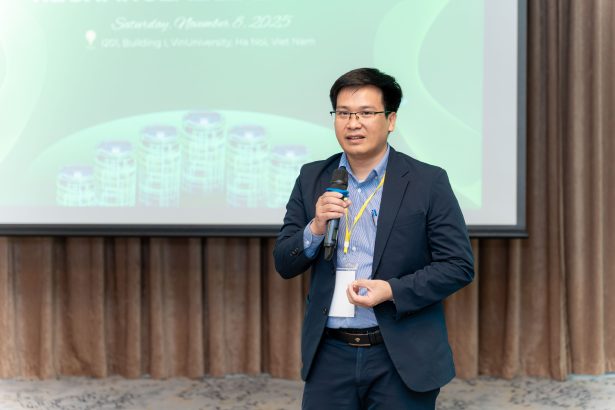
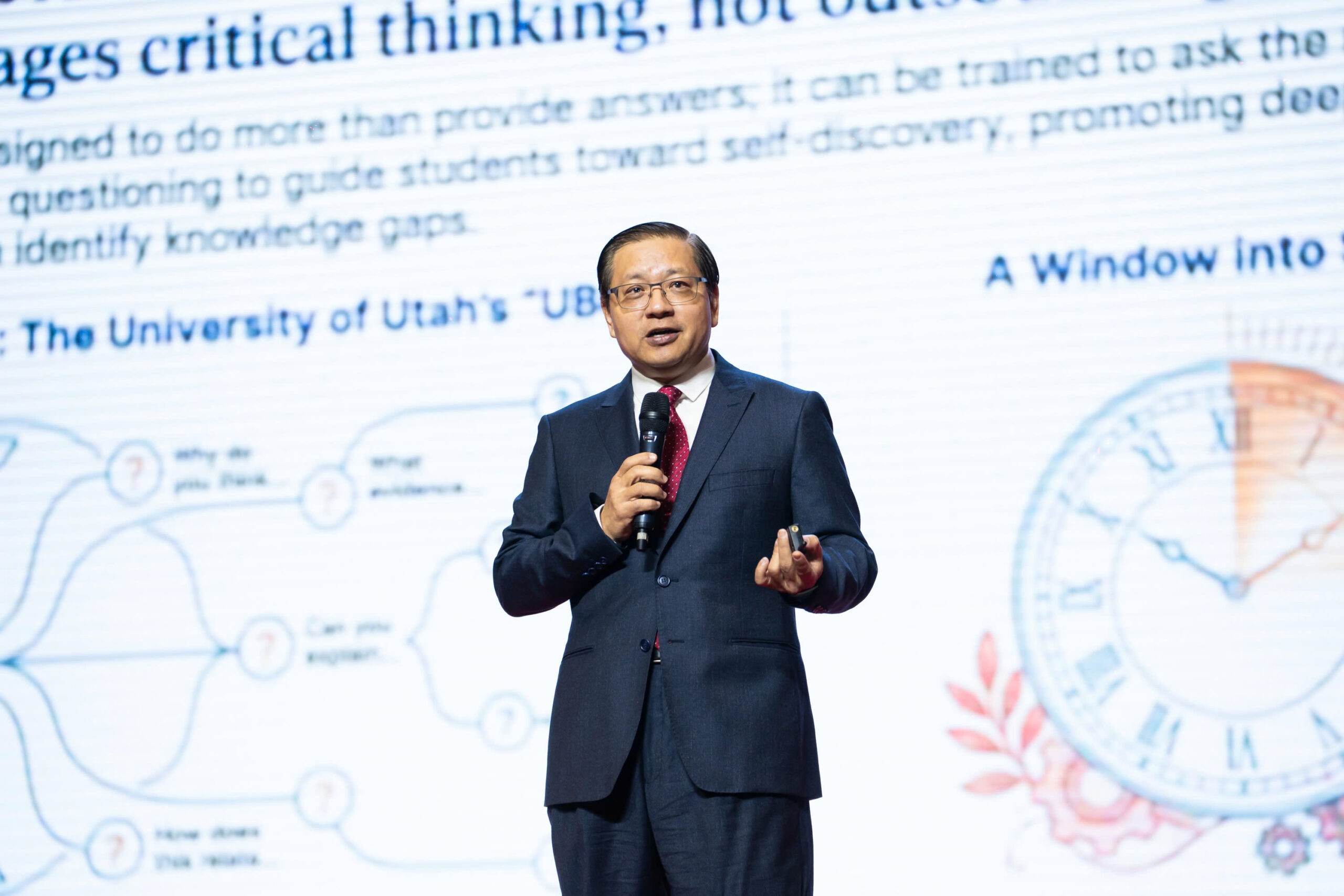
The morning session featured three inspiring presentations showcasing both global and local research efforts:
Poster Session: Showcasing Young Talent and Innovation
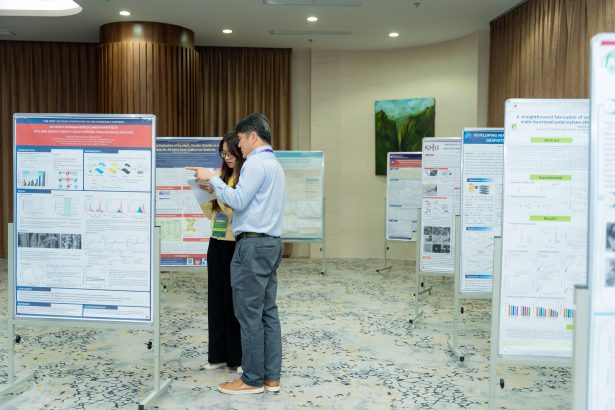
Following the morning talks, the Poster Presentation Session turned the spotlight on young researchers and students. Fifteen posters covered topics ranging from new battery materials and advanced electrolytes to recycling techniques and theoretical modeling. Each was evaluated based on creativity, content, presentation, and relevance to real-world applications.
The award ceremony took place after the afternoon presentations, recognizing outstanding posters for their scientific merit and presentation quality.
Awarded Posters:
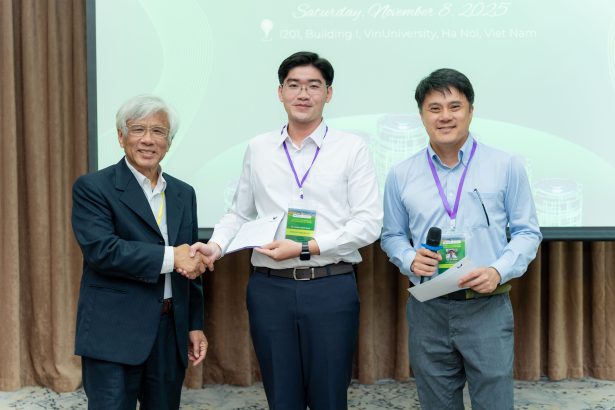
1st Prize:
2nd Prize:
3rd Prize:
Afternoon Session: Bridging Research and Industry
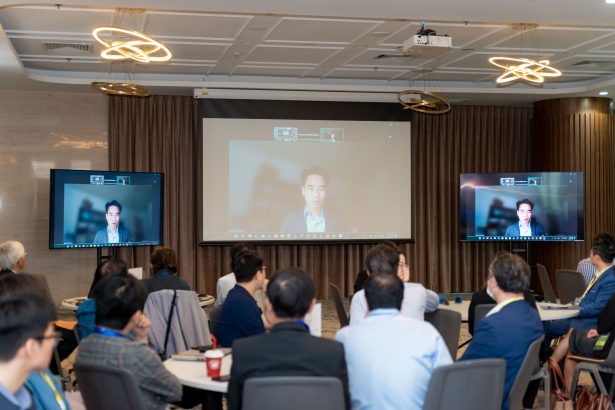
The afternoon program expanded the conversation to include both academic and industry perspectives:
Roundtable: Shaping Vietnam’s Battery Research Ecosystem
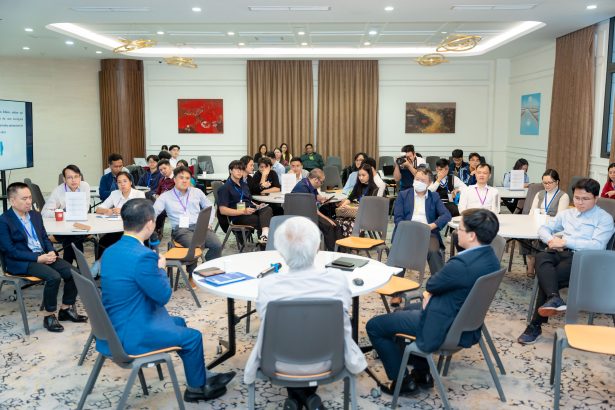
The day concluded with a lively Roundtable Discussion chaired by Professor Nguyen Minh Tho, joined by Professor Phan Manh Huong (Chief Scientific Officer, VinUniversity’s Center for Materials Innovation and Technology) and Mr. Nguyen Duc Anh (Director of VinFast’s Battery Cell Institute)
Participants discussed how Vietnam could accelerate its progress in battery research and production. Key topics included collaboration between academia and industry, establishing recycling protocols, managing costs, and addressing environmental concerns. The conversation highlighted the importance of computational tools in supporting material design, helping researchers predict performance and durability before production. New opportunities for pursuing industrial M.S. and Ph.D. degrees in energy materials and green technologies through joint VinUni-VinFast training programs aimed at cultivating future national leaders were also discussed.
Prof. Phan Manh Huong suggested establishing a national battery research network to address the dressing needs in Vietnam.
Looking Ahead
The Vietnam Symposium on Rechargeable Batteries 2025 successfully connected Vietnamese researchers with international experts, fostering collaborations and inspiring a new generation of scientists.
The event demonstrated that while the country’s battery research community is still in its early stages, it holds strong potential to contribute to global efforts in clean energy. With continued partnerships among universities, research institutes, and industry, Vietnam is well-positioned to become a meaningful player in the future of sustainable energy storage.