How hard is it to get a PhD? A realistic academic path
February 14, 2026


Embarking on the path to a doctorate is a life-defining choice that inevitably leads to the question: How hard is it to get a PhD? At VinUniversity, this journey is seen as a transition into intellectual leadership, requiring not just brilliance but immense persistence and a supportive academic ecosystem.
Understanding the hurdles of this path, from the initial research proposal to the final defense is essential for any aspiring scholar. By providing a platform for innovation and quality mentorship, VinUniversity helps candidates navigate these challenges, transforming high-potential individuals into independent researchers capable of solving the world’s most complex problems.
The pursuit of a doctorate is considered one of the most demanding academic paths, with only 40% – 50% of U.S. PhD students completing their degrees. This high attrition shows that doctoral difficulty extends beyond intelligence and is often shaped by early academic preparation, particularly during undergraduate study.
Doctoral difficulty often emerges earlier than expected. Most PhD attrition occurs within the first two to three years, reflecting a mismatch between student expectations and the realities of independent, research-driven doctoral work.
Several factors explain why this early difficulty emerges:
Ultimately, how hard is it to get a PhD depends less on raw intelligence and more on early preparation and identity shift. Doctoral difficulty emerges when students are unprepared for the independence and uncertainty inherent in original research.

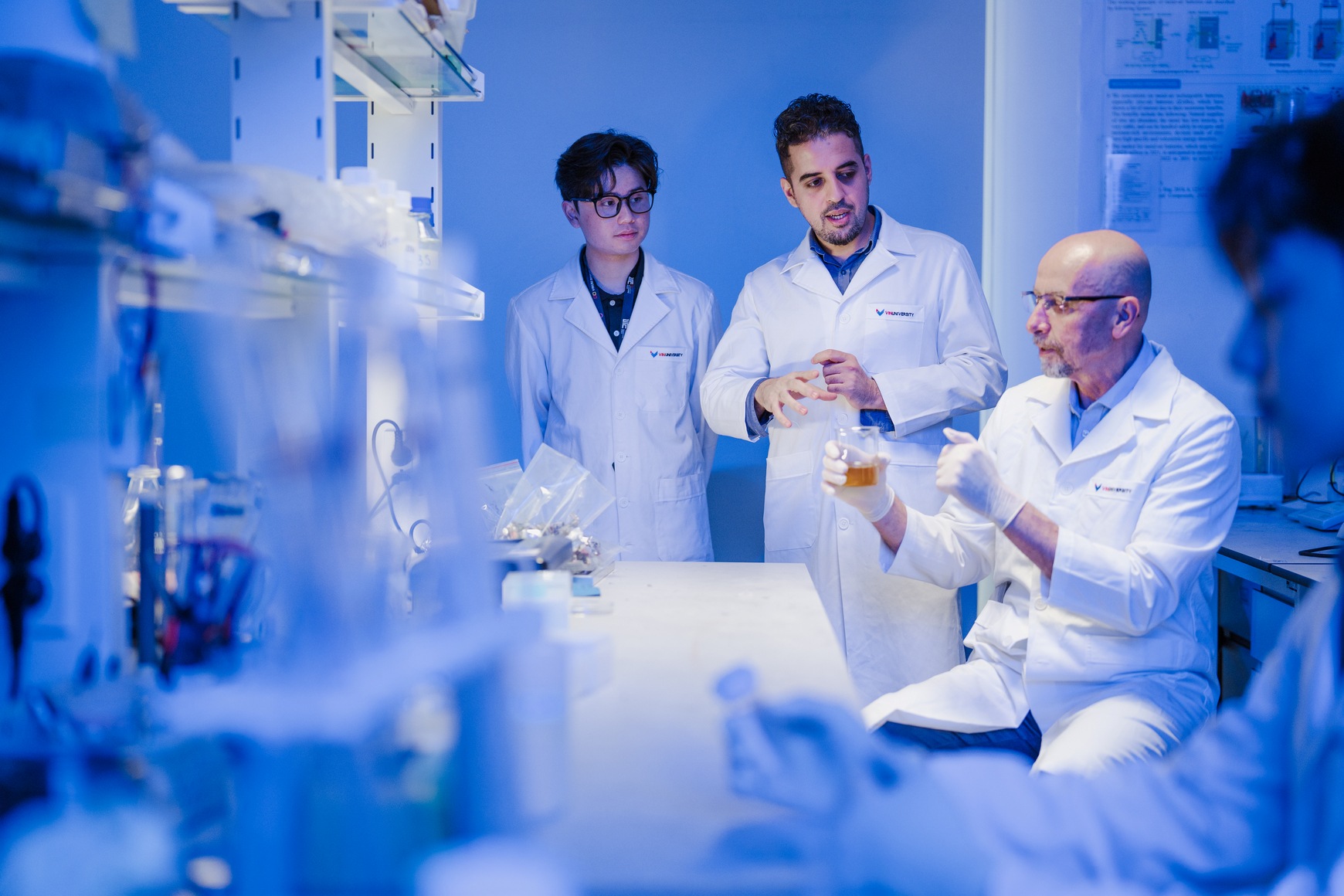
Doctoral difficulty often emerges earlier than expected
Success in advanced research relies on a solid foundation of data structures, algorithms, and logic. These subjects form the essential “language” needed to model new systems and analyze academic contributions effectively.
The development of a strong academic foundation involves several critical factors:
Building these core competencies is vital for surviving the “PhD grind.” Leading institutions will provide the rigorous environment and mentorship required to master these research fundamentals.
The undergraduate years serve as a vital training ground where students transition from being consumers of information to creators of knowledge. By engaging in rigorous inquiry early on, students develop the cognitive stamina and technical proficiency needed to sustain a multi-year doctoral project.
In research-oriented Computer Science programs, education shifts from rote programming to the theoretical and experimental facets of the field. This learning by doing approach integrates students into faculty labs and seminars, preparing them for the rigors of advanced study.
Key benefits of research-oriented learning:
By fostering a high-impact learning environment, leading institutions empower students to transition seamlessly from undergraduate studies to high-level doctoral research.
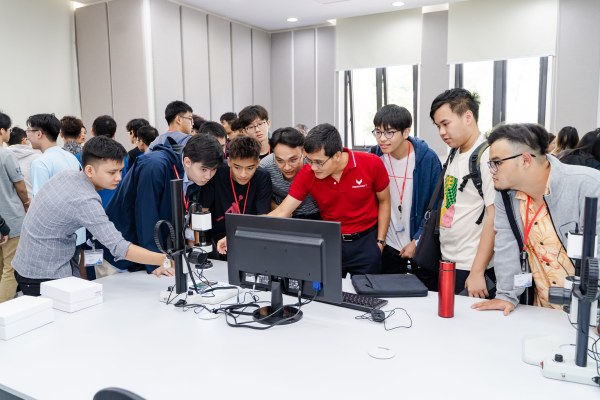
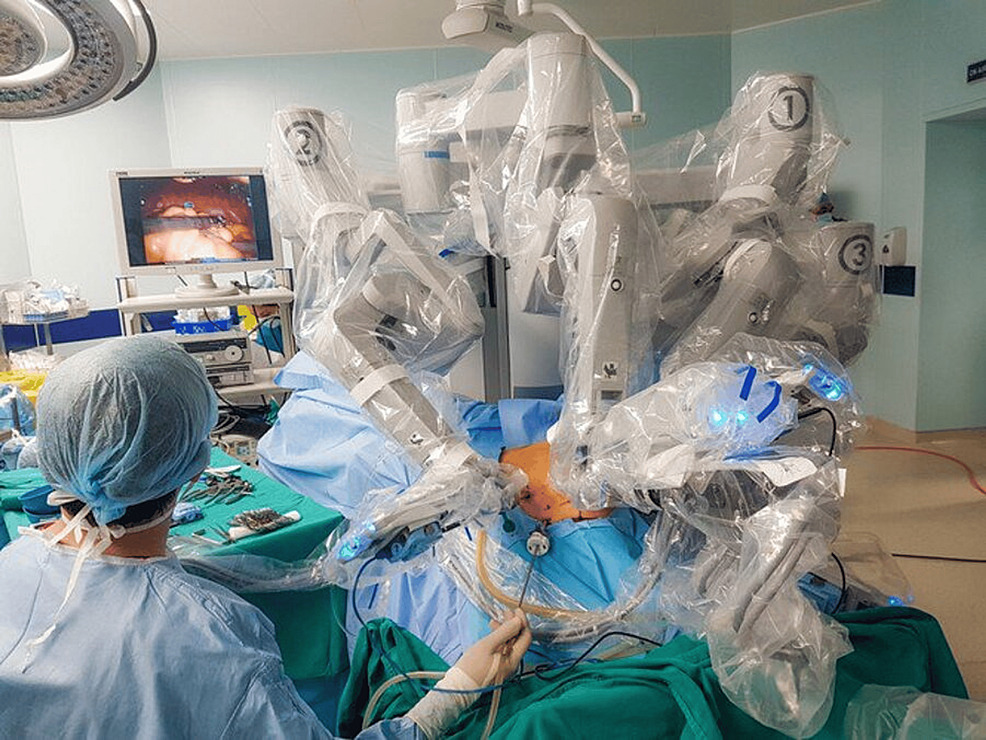
The undergraduate years serve as a vital training ground where students transition from being consumers of information to creators of knowledge
Several key skills developed during undergraduate study directly influence how challenging a PhD will feel later:
Students who cultivate these skills during their Bachelor’s studies often report lower stress and higher confidence during doctoral training, even though the workload remains demanding.
The challenge of a PhD is often misunderstood as purely intellectual. While high intelligence is a prerequisite, it is the combination of social, psychological, and professional pressures that makes the journey difficult. Understanding how hard is it to get a PhD requires an honest look at the isolation and the burden of intellectual autonomy that defines the process.
The question of how hard it is to get a PhD is daunting primarily because of the requirement for novelty and contribution. It marks a significant shift from being a consumer of knowledge to becoming a producer of knowledge, certifying a student’s intellectual independence within the global body of understanding.
Transitioning to research is intellectually taxing because it lacks a clear syllabus and involves navigating frequent dead ends. Originality in this context can manifest in several ways:
Ultimately, a PhD requires mastering the Feynman Problem Solving Algorithm that means thinking deeply to find solutions where no set procedure exists. Academic environments support students through this difficult transition by providing the mentorship needed to foster true innovation.

The challenge of a PhD is often misunderstood as purely intellectual
The psychological toll of a PhD is significant. Doctoral students are six times more likely to experience depression and anxiety than the general population. The causes are multifaceted:
Academic resilience is the capacity to maintain momentum in the face of these stressors. Successful students prioritize breaking their massive workload into bite-sized tasks and maintain a support network of peers and mentors to mitigate the risk of burnout.
A Computer Science PhD is uniquely challenging because of the sheer pace of the field. Technologies and methods can become obsolete within years, forcing researchers to be agile and continuously updating their knowledge.
In Computer Science, the boundary between theory and practice is constantly shifting. Doctoral students are expected to achieve mastery in complex areas such as
When students ask how hard is it to get a PhD in computing, they are often referring to the rigorous technical coursework and the need for significant novelty in their dissertation. At leading institutions, the PhD program addresses this by focusing on a blend of in-depth technical components and research-intensive study.
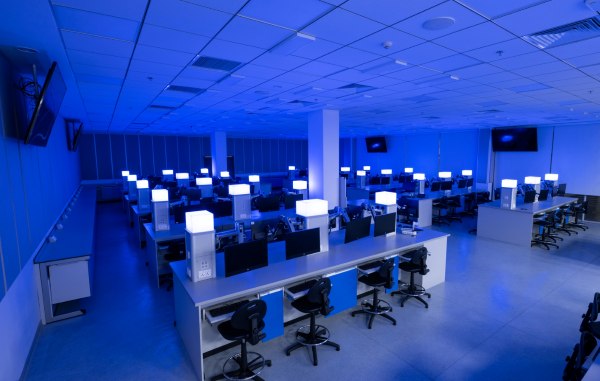
A Computer Science PhD is uniquely challenging because of the sheer pace of the field
In the world of academia, journals are typically the gold standard for publication. However, in the fast-moving field of Computer Science, prestigious conferences like NeurIPS, CVPR, and ICCV take precedence. These venues maintain extremely high global standards, often featuring rejection rates that exceed 80%, making the peer review process a formidable hurdle for doctoral candidates.
The quality and impact of research venues are categorized to help students navigate the polished contributions required for a PhD:
Navigating the peer review process is a grueling aspect of the PhD journey, as students must manage inconsistent feedback, publication delays, and harsh critiques. Success requires learning to normalize rejection and meticulously addressing reviewer comments to meet global standards.
Understanding how hard is it to get a PhD is a prerequisite for any student considering a research career, and at VinUniversity, this understanding is built through a structured transition from the bachelor’s stage to doctoral rigor.
The Bachelor of Science in Computer Science at VinUniversity is designed to combine strong technical foundations with real-world learning, preparing students to thrive in the digital economy.
Program highlights include:
This program equips graduates with strong analytical and computational skills, along with a strategic and application-oriented mindset for leadership in technology-driven industries.
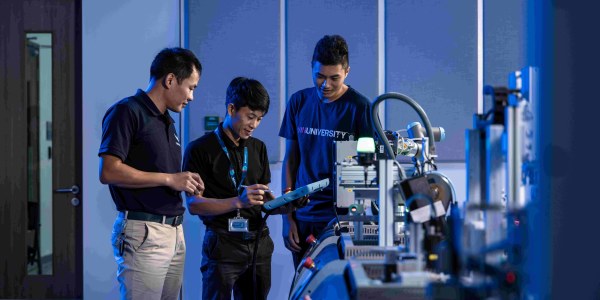
VinUniversity’s Computer Science program equips students with strong technical skills for the digital economy
The PhD in Computer Science at VinUniversity is designed to develop independent and forward-thinking researchers who can produce high-impact, internationally recognized scientific contributions. The program aims to equip doctoral candidates with the expertise and mindset needed to address complex technological challenges and drive innovation.
Key program features include:
Through its rigorous academic structure, global research exposure, and comprehensive financial support, VinUniversity’s PhD in Computer Science offers a strong platform for aspiring scholars to pursue impactful research careers and contribute meaningfully to the advancement of technology worldwide.
Understanding how hard is it to get a PhD is the first step toward a successful research career, as it allows students to prepare for the intellectual and psychological demands of the degree.
VinUniversity provides a unique ecosystem that bridges undergraduate readiness with doctoral rigor, ensuring that scholars are not alone in their journey. By offering international standards mentorship, state-of-the-art facilities, and a research-centric environment, the university empowers its students to overcome the hurdles of original inquiry and global publication standards.
If you are ready to take the next step in your academic journey and challenge yourself in a higher academic environment, explore the Computer Science programs of VinUniversity at https://vinuni.edu.vn/

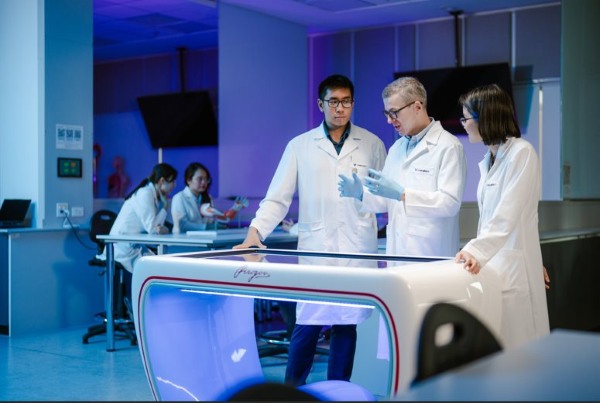
VinUniversity provides a unique ecosystem that bridges undergraduate readiness with doctoral rigor