Difference Between Information Systems and Computer Science
January 2, 2026


As the technology sector rapidly expands, understanding the distinctions between core computational fields is essential for career specialization. Computer Science (CS) and Information Systems (IS) are two central yet fundamentally different areas. CS focuses on the research, development, and foundational theory of computation, while IS emphasizes the strategic application, integration, and management of technology within a business or organizational context.
Grasping the difference between information systems and computer science is key to academic and professional alignment. VinUniversity, through its College of Engineering and Computer Science (CECS), develops computational leaders grounded in rigorous scientific methodology. This article details the core differences between Computer Science and Information Systems, examining their theoretical foundations, professional outcomes, and the specialized academic pathways offered for Computer Science at VinUniversity.
Computer Science and Information Systems are closely related fields that both rely on strong computing skills, yet their principal focus and underlying objectives diverge significantly.
Computer Science professionals operate at the deepest technical level, focusing on developing new computational models, systems, and algorithms using mathematics and rigorous algorithmic methods. The discipline requires a creation-oriented understanding of code and systems to design new programs from their theoretical foundations, aimed at pushing computational boundaries.
Information Systems acts as the essential bridge for business-technology integration, emphasizing the practical application and management of existing technology within an organizational context.
Computer science professionals are the inventors and builders of core technology, while information systems professionals are the strategic managers, integrators, and technical translators of technology for organizational goals. This managerial role requires blending technical familiarity with crucial soft skills like strategic thinking and communication.

Computer science builds technology, while information systems manage and apply it for organizations
Problem-solving in Computer Science generally starts from first principles: understanding computational limitations, algorithmic complexity, correctness, and efficiency. Solutions often involve developing new software, protocols, or computational frameworks.
Problem-solving in Information Systems is oriented toward practical deployment of technology within a specific context, such as improving enterprise workflows, implementing enterprise resource planning (ERP) systems, or ensuring effective data management practices.
Project implementation in Computer Science involves software development lifecycles, rigorous testing, code optimization, large-scale systems integration, and often research or experimentation with emerging technologies.
Project implementation in Information Systems includes requirements gathering from business stakeholders, system customization, workflow analysis, user training, and ensuring that technology investments deliver measurable business outcomes.
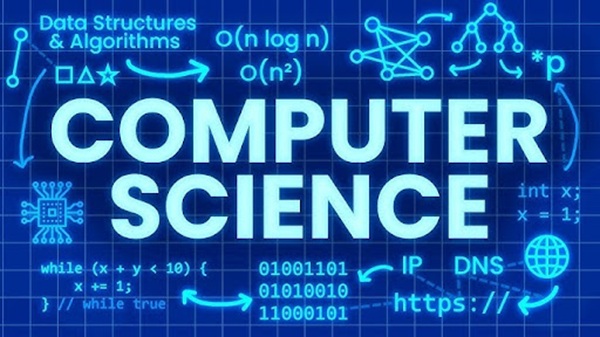
These distinct approaches shape not only academic focus but also professional workflows and career expectations.
Computer Science serves as the foundational scientific study of computation and information, providing the deep, rigorous theoretical and mathematical tools necessary to drive innovation across all digital sectors.
The foundation of Computer Science rests upon several rigorous, interconnected pillars:

Computer Science serves as the foundational scientific study of computation and information
Computer Science cultivates a set of core technical skills that map directly to many roles in technology:
These skills enable roles such as:
According to job market insights, professionals with strong computer science backgrounds are often responsible for building the core systems used by enterprises and tech platforms, driving innovation in software products and services. Computer Science thus emphasizes both theoretical depth and practical software creation.
Information Systems concentrates on the strategic and operational management of information technology within organizations. It is the discipline responsible for optimizing business value through effective technology integration and deployment.
Information systems education is structured around principles that bridge technical knowledge with crucial organizational functions:

Information Systems concentrates on the strategic and operational management of information technology within organizations
Information Systems blends technical competence with business-oriented skills:
Roles in this area often include:
Because Information Systems combines business insight with applied technology usage, professionals in this domain play a pivotal role in ensuring that technology investments translate into measurable business value. Industry cases and job market profiles demonstrate the practical nature of Information Systems roles.
VinUniversity’s College of Engineering and Computer Science (CECS) offers specialized programs designed to develop professionals who are technically profound and prepared to lead in research and high-tech industry.
The Bachelor of Science in Computer Science program at VinUniversity is designed to provide comprehensive technical depth combined with unparalleled practical experience, ensuring graduates are ready to lead in the digital era. Key highlights that attract prospective students include:
This comprehensive structure ensures that VinUniversity’s graduates possess not only the deep analytical and computational skills necessary for core Computer Science roles but also the strategic, application-oriented mindset essential for leading technological implementation in business and industry.

VinUniversity’s BSc in Computer Science combines deep technical training with strong practical experience for digital-era leadership
The PhD in Computer Science program at VinUniversity is designed to develop deeply specialized technical experts who can generate groundbreaking research and lead innovation in computational fields. Key features and opportunities include:
Through its focus on world class faculty, global partnerships, and industry-integrated research, the PhD program ensures that candidates are prepared to make profound, technically rigorous contributions to both academic knowledge and high impact industrial solutions, seamlessly bridging the gap between theoretical computer science and realworld application.

VinUniversity’s PhD in Computer Science trains experts to lead innovative computational research
Both Computer Science and Information Systems fields offer highly competitive salaries and excellent growth prospects
Both Computer Science and Information Systems fields offer highly competitive salaries and excellent growth prospects across all sectors, including finance, government, and technology. The key differentiator in career pathways lies in whether the professional seeks to lead through deep technical specialization or broad strategic management.
Computer Science graduates generally work in roles centered on designing, building, and optimizing software systems and computational solutions.
Information Systems professionals often serve as a link between business needs and technical teams, focusing on implementation, optimization, and management of information systems.
In the long term, career progression in Computer Science often leads toward advanced technical roles or positions of technical leadership, where professionals deepen their expertise in areas such as software architecture, system design, artificial intelligence, or cybersecurity. In contrast, Information Systems careers more commonly evolve toward managerial and strategic roles, with professionals taking responsibility for planning, coordinating, and directing information technology initiatives in alignment with organizational objectives and business strategy.

Explore the Bachelor of Science and PhD in Computer Science programs offered and taught by VinUniversity
Understanding the difference between Information Systems and Computer Science helps students and professionals make informed academic and career decisions by aligning their strengths with either technological innovation or strategic business application in the evolving digital economy.
Computer Science and Information Systems are distinct yet essential pillars of the digital economy. Computer Science focuses on the fundamental study of computation, algorithms, and technical innovation, requiring analytical rigor and mathematical depth. Information Systems, conversely, is dedicated to the strategic deployment and management of technology to optimize business processes, manage organizational risk, and achieve corporate goals, emphasizing systems analysis and application.
The optimal career choice depends on whether one is drawn to creating new technology or strategically applying it for maximum business impact. As technological convergence accelerates, institutions that integrate deep technical knowledge with practical organizational application are vital, preparing graduates for the emerging hybrid roles that define the future of digital transformation.
To explore structured Computer Science education and research opportunities, readers can learn more about VinUniversity’s programs through the official links to the Bachelor’s and PhD degrees in Computer Science: https://vinuni.edu.vn/