Computer and Information Scientist: Roles, skills, and careers
January 2, 2026


In the digital era, Computer and Information Scientists play a central role in researching and developing the foundational technologies of Computer Science. As technological demand continues to grow, job opportunities for Computer Science majors are steadily expanding, making this field a stable and long-term career choice. VinUniversity offers Computer Science education aligned with international standards to prepare high-quality talent for this domain.
Computer and Information Scientists are professionals who focus on researching and developing computational solutions at a foundational level. Their work includes designing new algorithms, improving existing systems, developing computational models, and studying how technology can be applied to complex problems.
Unlike roles that emphasize software implementation or system operations, Computer and Information Scientists typically work in research and development environments. They may be employed at universities, research institutes, major technology corporations, or government organizations.
In a world increasingly driven by data and automation, Computer and Information Scientists play a critical role in developing foundational technologies. Advances in Artificial Intelligence, Machine Learning, Cloud Computing, Cybersecurity, and Big Data all originate from research in computer science.
Through these research efforts, organizations and enterprises are able to build more intelligent systems, process data more efficiently, and make decisions based on rigorous analytical insights. This explains why Computer and Information Scientists are regarded as a key driving force behind global digital transformation.
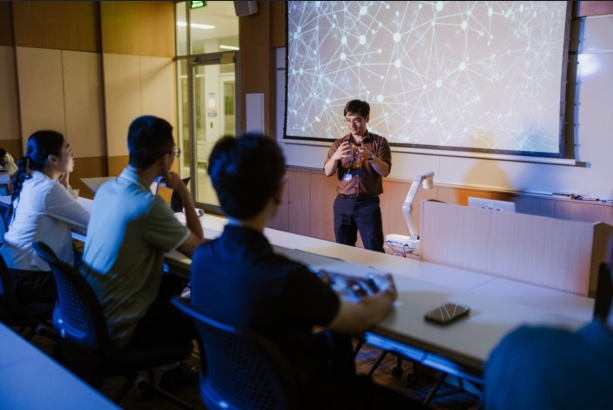
Strong analytical thinking, programming expertise, and academic training form the core skills of a Computer and Information Scientist.
To become a Computer and Information Scientist, learners need a strong theoretical foundation and advanced professional skills.
In terms of skills, mathematical and logical thinking are core requirements. These are complemented by programming proficiency and a deep understanding of algorithms, data structures, operating systems, computer networks, and distributed systems. Research skills, problem analysis, and the ability to communicate scientific ideas effectively are also essential.
Regarding academic qualifications, a bachelor’s degree in Computer Science or a related field is the minimum requirement. For advanced research positions or university-level teaching roles, a master’s degree or doctoral degree is often preferred.
Computer and Information Scientists work across a wide range of industries. The information technology and software sector is the most common employer, with roles focused on system development, artificial intelligence, and data platforms.
In addition, the finance and banking sectors employ computer scientists to perform data analysis, develop trading systems, and manage risk. The healthcare industry applies computing technologies to medical imaging, electronic health records, and clinical decision support systems. Telecommunications, smart manufacturing, education, and the public sector also demonstrate strong demand for these professionals.
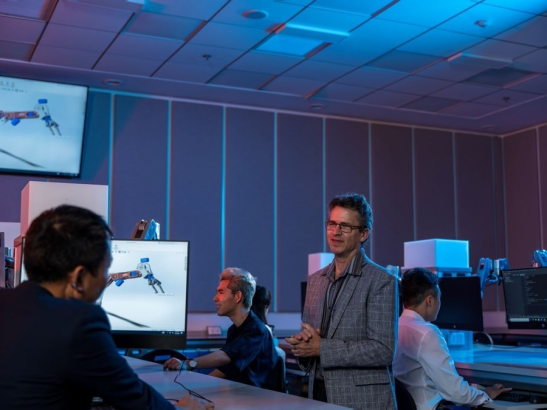
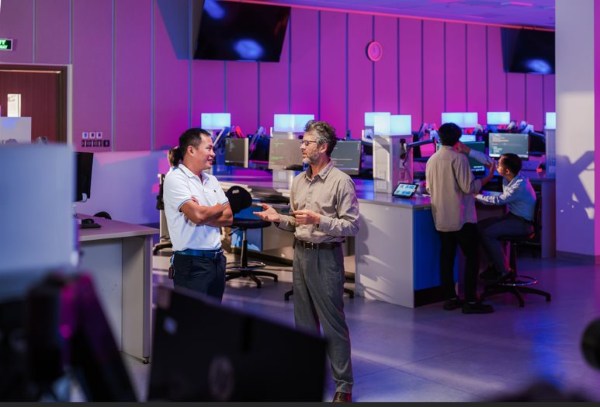
Computer and Information Science graduates can pursue diverse roles across research institutions and technology-driven enterprises.
With a foundation in computer and information science, graduates can pursue a wide range of career roles. In research-oriented settings, common positions include Computer and Information Scientist, Artificial Intelligence researcher, and Data Scientist.
In corporate environments, related roles include software engineer, data engineer, machine learning engineer, systems architect, and cybersecurity specialist. These positions are all part of the job opportunities for Computer Science majors that demonstrate stable and sustained demand in the labor market.
The salary of Computer and Information Scientists is commonly assessed based on national labor statistics and reputable technology industry salary reports. The figures below provide an evidence-based overview of income levels and career prospects in this field.
According to the U.S. Bureau of Labor Statistics (BLS), the median annual wage for computer and information research scientists is approximately USD 140,910, indicating that this is among the highest-paying occupations within the information technology sector.
The same source reports that the lowest 10 percent of earners receive less than USD 80,670 annually, while the highest 10 percent earn more than USD 232,120. This wide range reflects significant variation based on experience, specialization, and work environment.
Labor market analytics platforms such as PayScale and Glassdoor also report that average salaries for roles related to computer science and technology research typically range from USD 120,000 to USD 160,000 per year in developed markets.
In Vietnam, according to ITviec’s IT industry salary reports, newly graduated Computer Science students generally earn starting salaries of VND 10–25 million per month. Professionals with three to five years of experience can earn between VND 30–70 million per month, particularly at large technology firms or multinational enterprises.
Overall, these figures indicate that Computer and Information Scientists belong to a profession with competitive compensation and stable growth prospects, both in international labor markets and in Vietnam.
To pursue a career as a Computer and Information Scientist, learners need a well-structured educational pathway that combines a strong academic foundation with practical application skills.
A Bachelor’s degree in Computer Science serves as the foundation for long-term career development in this field. At this stage, students are equipped with the following core areas of knowledge:

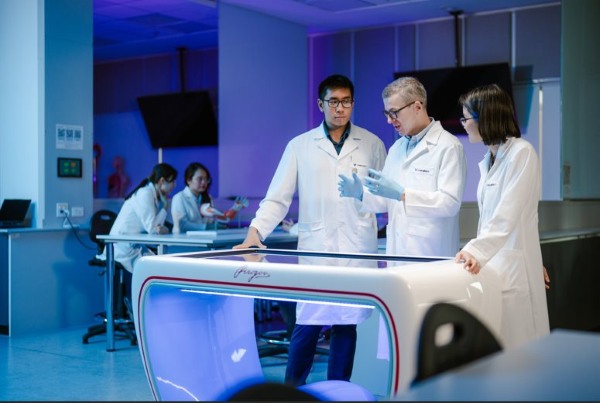
Graduate education equips students with advanced research skills and prepares them for academic and R&D careers in Computer Science.
For students who aim to pursue research-oriented careers or advanced specialist roles, postgraduate education is a critical stage of professional development. At this level, learners typically:
Because the technology sector evolves rapidly, lifelong learning is a fundamental requirement for Computer and Information Scientists. This continuous learning process typically includes:
VinUniversity offers a comprehensive academic pathway for students aspiring to become Computer and Information Scientists, combining strong theoretical foundations with practical research and industry relevance. Designed in alignment with international academic standards, VinUniversity’s Computer Science programs aim to prepare graduates for both advanced research careers and high-impact roles in the global technology sector.

Programs that Blend Theory with Real-World Impact
The Bachelor’s Degree in Computer Science at VinUniversity provides students with a solid foundation in core computing principles while fostering analytical thinking and problem-solving skills essential for the digital era. The curriculum is validated by Cornell University to ensure alignment with internationally recognized academic standards.
Throughout the program, students study fundamental subjects such as programming, data structures, algorithms, operating systems, and databases, alongside introductory courses in artificial intelligence, data science, and computer systems. Project-based learning and laboratory work are integrated into the curriculum, allowing students to apply theoretical knowledge to real-world problems and begin building a professional portfolio early in their academic journey.
The PhD in Computer Science at VinUniversity is designed for individuals who seek to contribute original research and advance the frontiers of computing knowledge. The program focuses on developing independent researchers with strong methodological skills and a deep understanding of advanced computing concepts.
Doctoral candidates engage in research areas aligned with global priorities, including artificial intelligence, data science, cybersecurity, robotics, and intelligent systems. Supported by close academic validated by Cornell University, PhD students benefit from international research standards, mentorship from experienced faculty, and opportunities to participate in global research networks. This environment enables students to publish in reputable journals and present their work at international conferences.

A Community Empowering Global-Minded Innovators
Studying Computer Science at VinUniversity offers several distinctive advantages that support long-term academic and professional success. The university provides an internationally oriented learning environment, modern research facilities, and strong connections to both academic and industry partners.
Students benefit from instruction delivered in English, access to interdisciplinary research projects, and structured support for internships and career development. VinUniversity’s emphasis on research, innovation, and global engagement equips graduates with the competencies required to pursue diverse job opportunities for Computer Science Majors, including roles in research institutions, technology companies, and advanced academic programs worldwide.
To succeed in this field, students need to proactively develop a well-rounded skill set from their early years at university. Beyond theoretical knowledge, long-term success as a computer and information scientist requires continuous engagement with practice, research, and professional communities.
Practical experience is a key factor in transforming academic knowledge into professional competence. Students can build this experience through:

Pursuing Advanced Studies for Innovation and Global Impact
In addition to academic achievement, a strong portfolio and professional network play a crucial role in career development. Students are encouraged to:
To maintain long-term competitiveness, computer and information scientists must continuously update their knowledge and skills by:
Overall, becoming a successful computer and information scientist requires more than strong academic performance. It is a continuous process that combines practical experience, professional networking, and lifelong learning. By actively engaging in real-world projects, building a clear professional profile, and staying aligned with emerging technologies, students can position themselves for sustainable career growth in a rapidly evolving digital landscape.

VinUniversity is where internationally validated curricula and global academic collaborations shape future leaders.
Computer and Information Scientists are among the core professions of the digital era, where technology plays a decisive role in shaping economic and social development. With strong market demand, diverse career opportunities, and high earning potential, this field represents a compelling choice for individuals pursuing Computer Science–related careers.
For those seeking a structured, internationally oriented education with strong global academic connections, VinUniversity offers a suitable starting point. You can explore more about its Computer Science programs and the educational pathways toward becoming a computer and information scientist at https://vinuni.edu.vn/ for the most detailed and up-to-date information.