AIRPACT VIETNAM 2025 – When Leading Scientists Unite to Bring “Clean Air” Closer to Vietnamese People
July 4, 2025


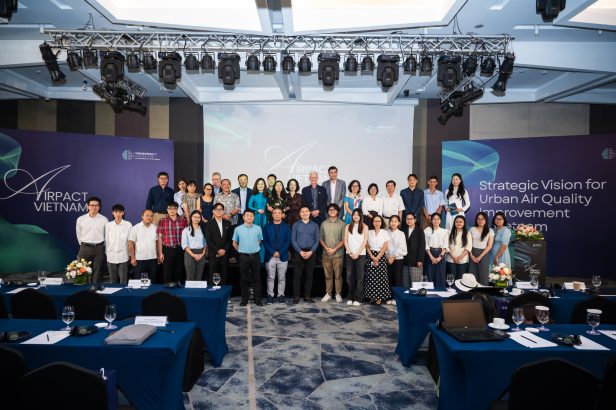
On June 26, 2025, in Hanoi, AIRPACT Vietnam 2025 brought together over 100 experts from leading universities worldwide to discuss solutions for improving air quality in Vietnam. From California to Beijing, from Shenzhen to Hanoi – over 100 top experts came together to find solutions to the air pollution challenge.
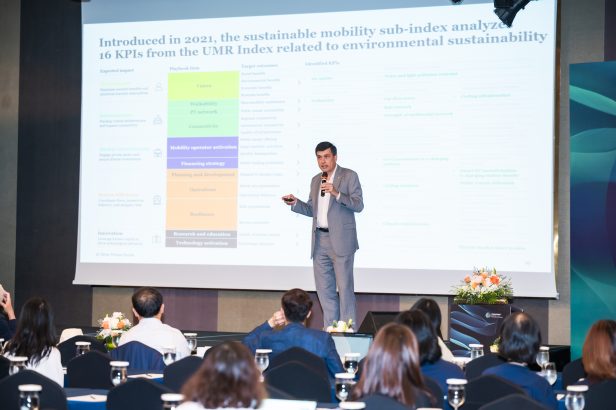
Professor Alexandre Bayen from UC Berkeley shared an interesting story about how California reduced transportation emissions by 40% – not by banning cars, but by applying smart technology to optimize traffic flow.
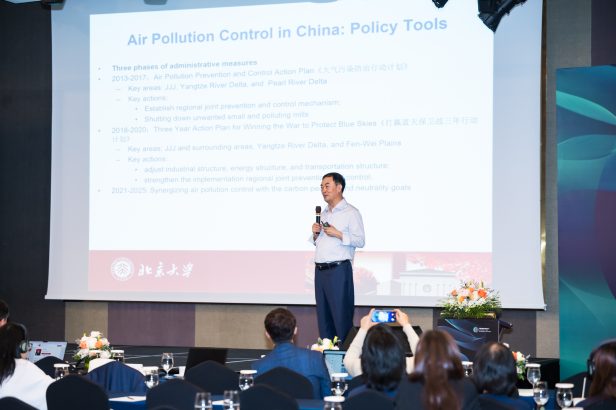
Professor Jintao Xu from Peking University brought lessons from China, where major cities have successfully combined economic policies with technology to make “breathing” easier.
From Vietnam, experts from the Institute of Meteorology, Hydrology and Climate Change (Ministry of Agriculture & Environment), Hanoi University of Science and Technology, along with representatives from the Ministry of Agriculture contributed practical insights about the situation in Vietnam.

The shared goal? Everyone was united toward one goal: helping Hanoi, Ho Chi Minh City, and Vietnamese cities achieve clean air like the world’s most developed cities.
It sounds like science fiction, but VinUniversity is actually developing “digital twins” – digital versions of cities that can hat can forecast air quality conditions. This means you could know in advance the air quality in your area for the next few hours, even days ahead – helping you plan your activities more wisely.
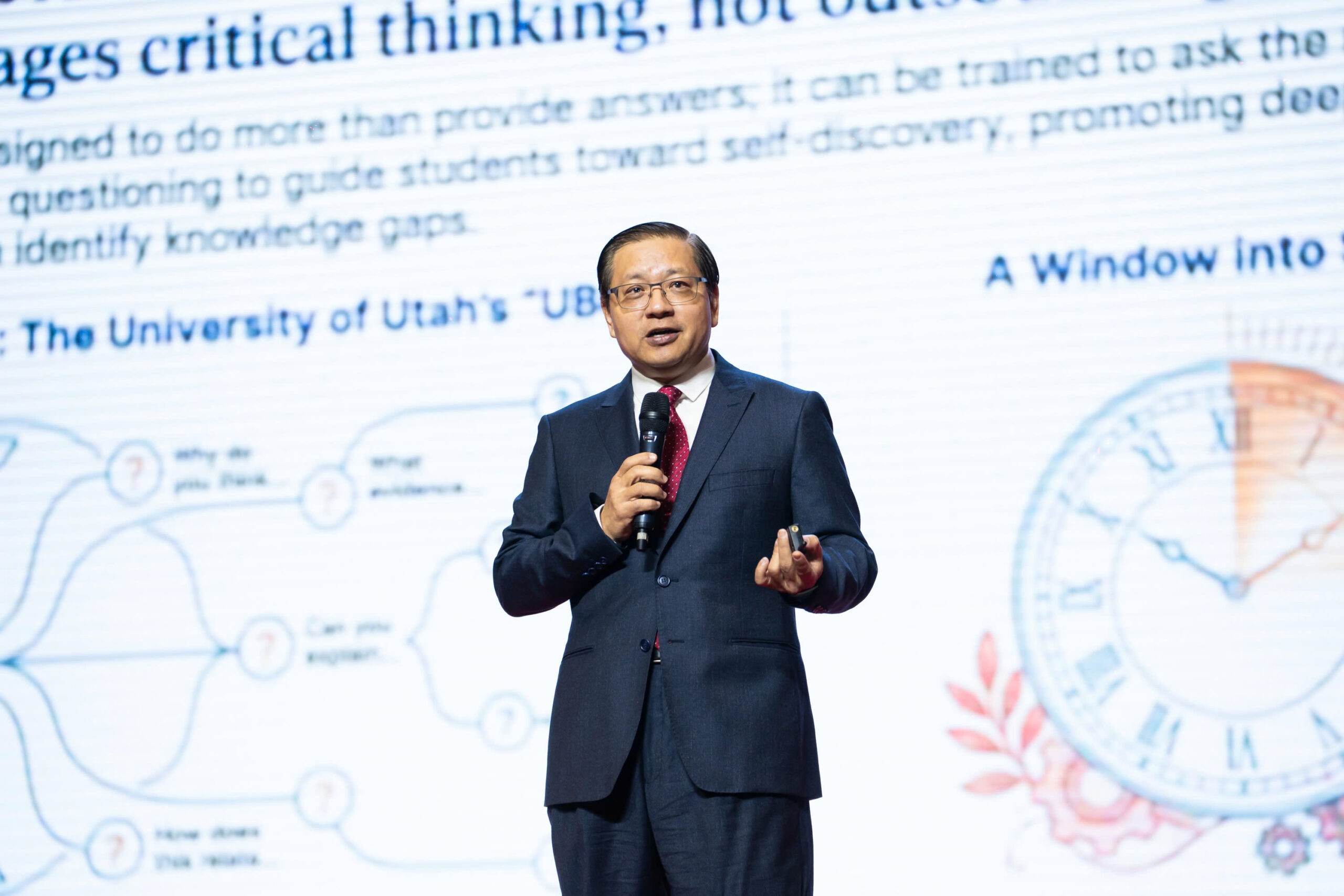
Prof. Laurent El Ghaoui, Vice Provost of VinUniversity, shared: “Every morning, millions of Vietnamese people check the AQI before deciding on their daily activities. We want to change this reality through scientific research and technology applications.”
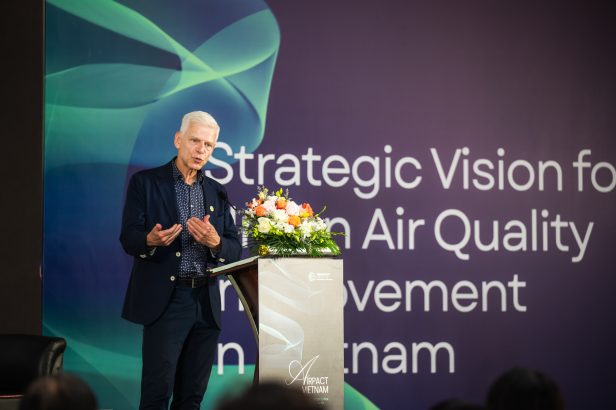
Dr. Luong Duy Hanh, Deputy Director of the Department of Science & Technology, Ministry of Agriculture and Environment, emphasized the importance of “encouraging investment in scientific research for innovation and advanced technology applications” in air pollution reduction strategies. He praised VinUniversity’s potential with its Environmental Intelligence pillar in technology transfer for emissions monitoring, forecasting, and developing “smart city” solutions that the government is pursuing.
Environmental Intelligence is one of VinUniversity’s five strategic research pillars, focusing on applying science and technology to address real-world environmental challenges.
Following AIRPACT Vietnam 2025, CEI will continue to advance joint research projects initiated with partners such as the CITRIS Institute – University of California and launch student and expert exchange programs with international collaborators to build a sustainable environmental research network.
VinUniversity takes pride in pioneering these positive changes. With the collaboration of the scientific community and society, a future with clean air for Vietnam is becoming closer than ever.