Most comprehensive Vietnamese human genome study published in Nature Communications
July 23, 2026


A team of scientists led by Dr. Vo Sy Nam, Chief Operating Officer of VinUni Bigdata Research Institute, and Professor Vu Ha Van, Chief Scientific Officer, VinUni Bigdata Research Institute has published the study “VN1K is a pangenome-informed multi-omics and phenomics resource for the Vietnamese population” in Nature Communications, one of the world’s leading scientific journals.
The study presents the first large-scale, comprehensive genomic, multi-omics, and phenotypic resource for the Vietnamese population and reports the successful construction of the Vietnamese PanGenome Reference (VPR), the first population-specific reference genome developed for the Vietnamese people. The achievement is considered a major scientific milestone that will support future research in genetics and enable applications in precision medicine, preventive medicine, and genomic analysis tailored to the Vietnamese population.
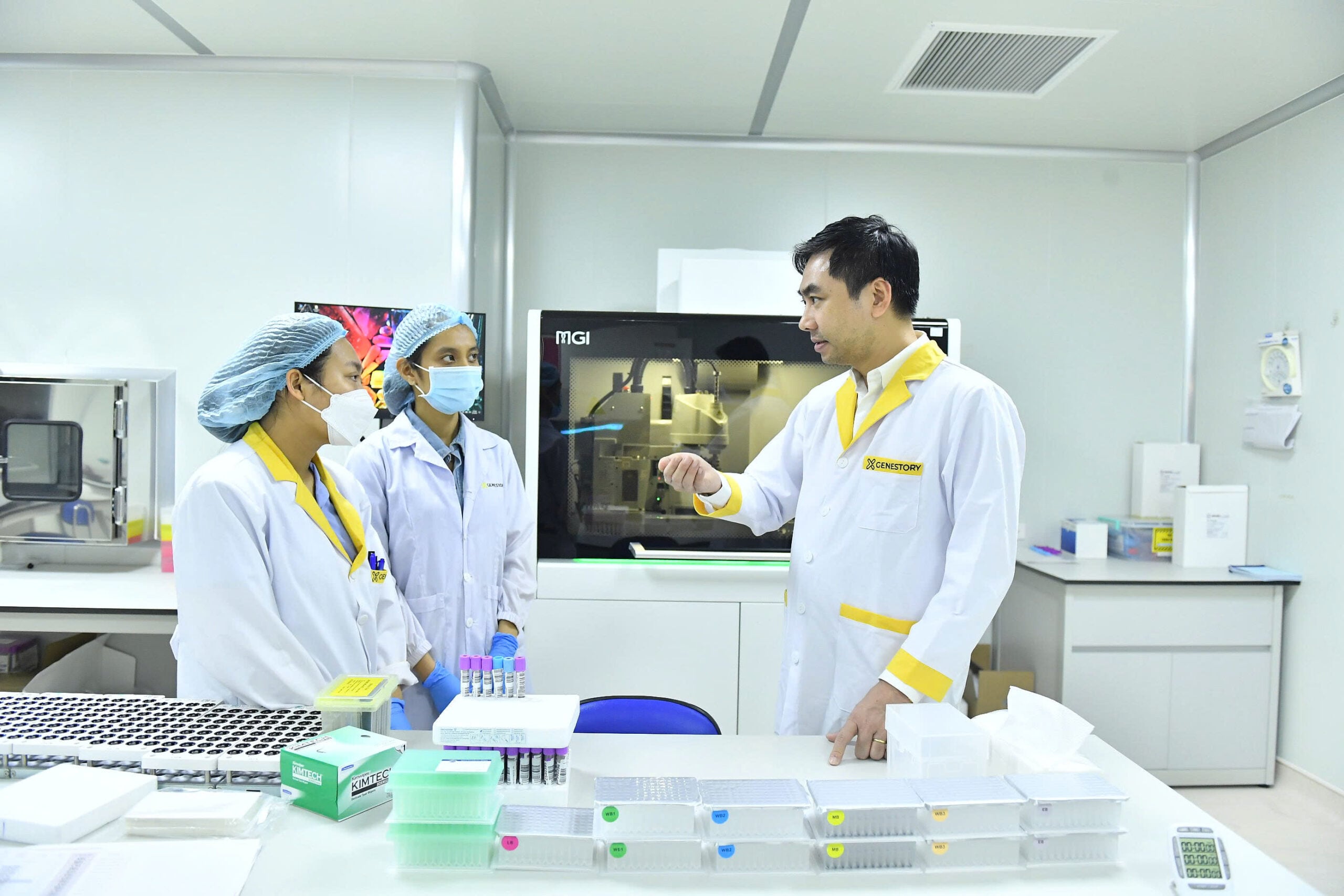
VN1K analyzed data from 1,011 Vietnamese individuals across 53 provinces and cities (at the time of sample collection), identifying over 42 million genetic variants, including approx. 8.5 million never before recorded in major international databases.
The work was carried out by a consortium of more than 40 Vietnamese scientists, under the leadership of Dr. Vo Sy Nam and Professor Vu Ha Van, including Associate Professor Le Duc Hau (Hanoi University of Science and Technology), Associate Professor Nguyen Thuy Duong (Vietnam Academy of Science and Technology), Associate Professor Le Thi Ly (Vietnam National University Ho Chi Minh City), Professor Le Sy Vinh (Vietnam National University Hanoi), Professor Nguyen Thanh Liem (VinUniversity), Professor Tran Huy Thinh (Hanoi Medical University), Associate Professor Nguyen Hoang Quan (The University of Queensland, Australia), Associate Professor Luu Nguyen Hung (Houston Methodist Research Institute and Cornell University, USA), together with many other talented young scientists.
The project was initiated in 2018 at the Bigdata Research Institute (now part of VinUniversity) with the goal of building a large-scale genomic resource specifically for the Vietnamese population and advancing the application of genetics in healthcare and community-oriented fields.
Completing a missing piece of the Vietnamese genome map
VN1K was built from genomic data collected from 1,011 Vietnamese individuals originating from 53 of Vietnam’s 63 provinces and cities (based on administrative boundaries at the time of sampling). The study identified more than 42 million genetic variants, including approximately 8.5 million variants that had never been reported in major international genomic databases.
Using this dataset, the research team developed the Vietnamese PanGenome Reference (VPR), the first large-scale population reference genome for Vietnam. VPR significantly improves the accuracy of genetic variant detection and interpretation compared with reference genomes developed primarily from populations of European ancestry.
Until now, Vietnamese genetic data have been severely underrepresented in international studies. This gap has limited research on disease mechanisms, drug response, and precision medicine applications for the Vietnamese population. The successful development of VN1K not only fills a critical gap in the global human genome map but also contributes an important large-scale genomic resource for Southeast Asia, one of the world’s most underrepresented regions in human genetics.
From foundational research to applications for the Vietnamese population
From its inception in 2018, the “1,000 Vietnamese Genomes Project” was designed not only to create a research database but also to establish a foundation for biomedical applications aligned with the genetic characteristics of the Vietnamese population.
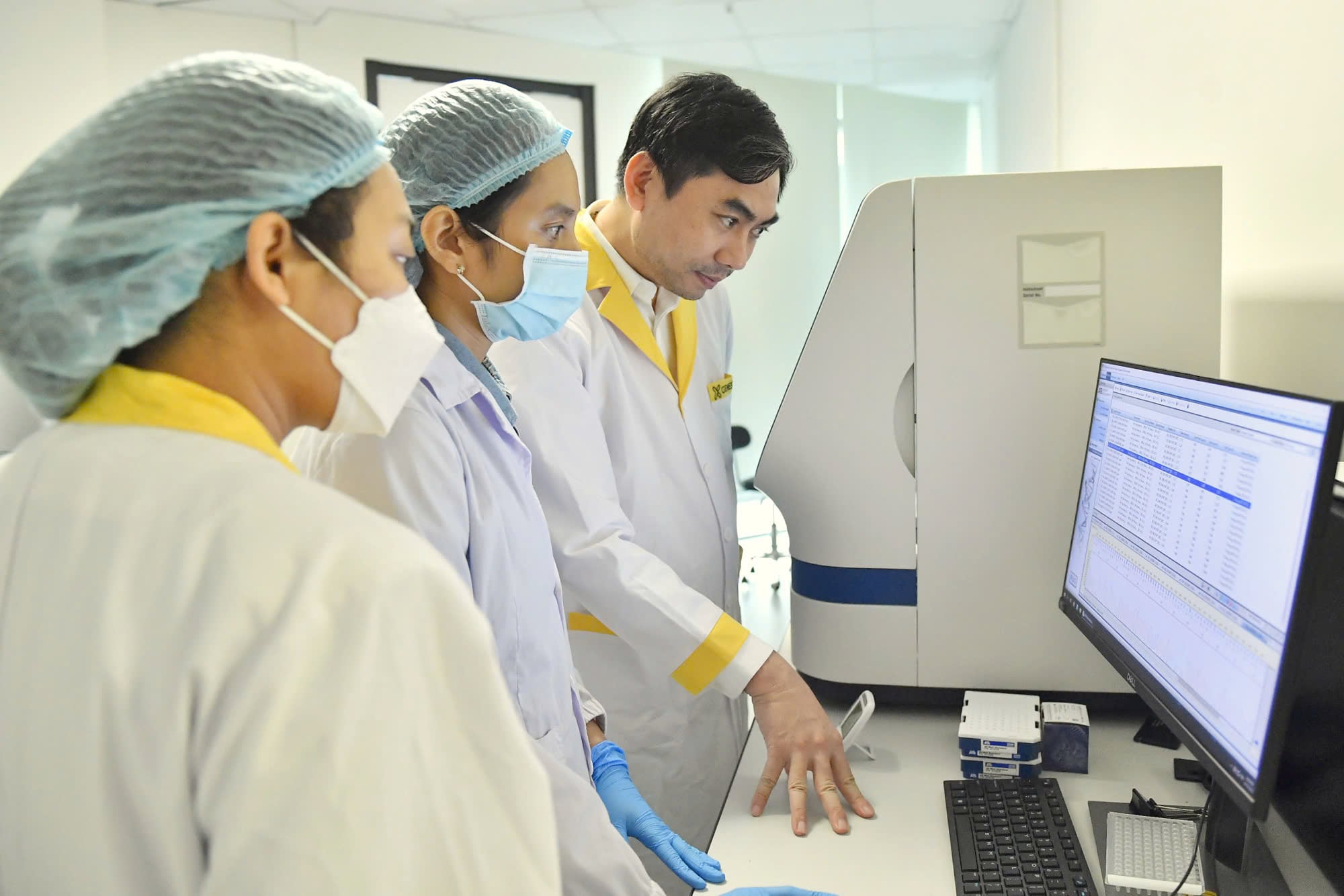
Initiated in 2018 at the Bigdata Research Institute (now part of VinUniversity), VN1K was built to establish a large-scale genomic resource for the Vietnamese population and advance the use of genetics in healthcare and beyond.
Using VN1K data, scientists identified multiple genetic variants associated with adverse reactions to commonly used drugs such as carbamazepine, allopurinol, and clopidogrel. Based on these findings, genetic-based drug response prediction models were developed for approximately 150 groups of pharmaceutical compounds, helping physicians select medications and optimize treatment dosages for individual patients.
One application already in operation is the “Right medicine for children” initiative, which has provided pre-treatment genetic testing for thousands of underprivileged children with epilepsy, reducing the risk of severe adverse drug reactions and improving treatment outcomes.
VinGenChip: translating research into national practical missions
One of the most significant translational outcomes of VN1K is VinGenChip, the first biochip designed using genomic data from the Vietnamese population. Developed by GeneStory based on findings from the VN1K project, VinGenChip represents a major step toward mastering core technologies in genetic data analysis and biochip design in Vietnam.
VinGenChip can simultaneously analyze tens of thousands of genetic variants characteristic of the Vietnamese population, supporting applications such as personal identification, drug response prediction, disease risk screening, and population genetics research. Optimization based on Vietnamese genomic data enhances its accuracy in real-world applications and lays the groundwork for making genomic technologies more accessible to the public.
The technology is currently being used in the Martyrs’ Gene Bank Project and the national 500-day campaign for locating martyrs’ remains, which involve genomic analysis on a scale of millions of DNA samples. By enabling the simultaneous analysis of a large number of identity-informative genetic variants, VinGenChip improves the accuracy of matching DNA samples from relatives with unidentified remains while significantly reducing costs compared with many imported solutions.
The application of VinGenChip, built on a Vietnamese genomic data platform, is expected to enhance the identification of martyrs’ remains whose identities are still unknown, supporting a mission of profound historical, political, and humanitarian significance. It also demonstrates Vietnam’s ability to transform scientific research into technologies that address pressing national needs.
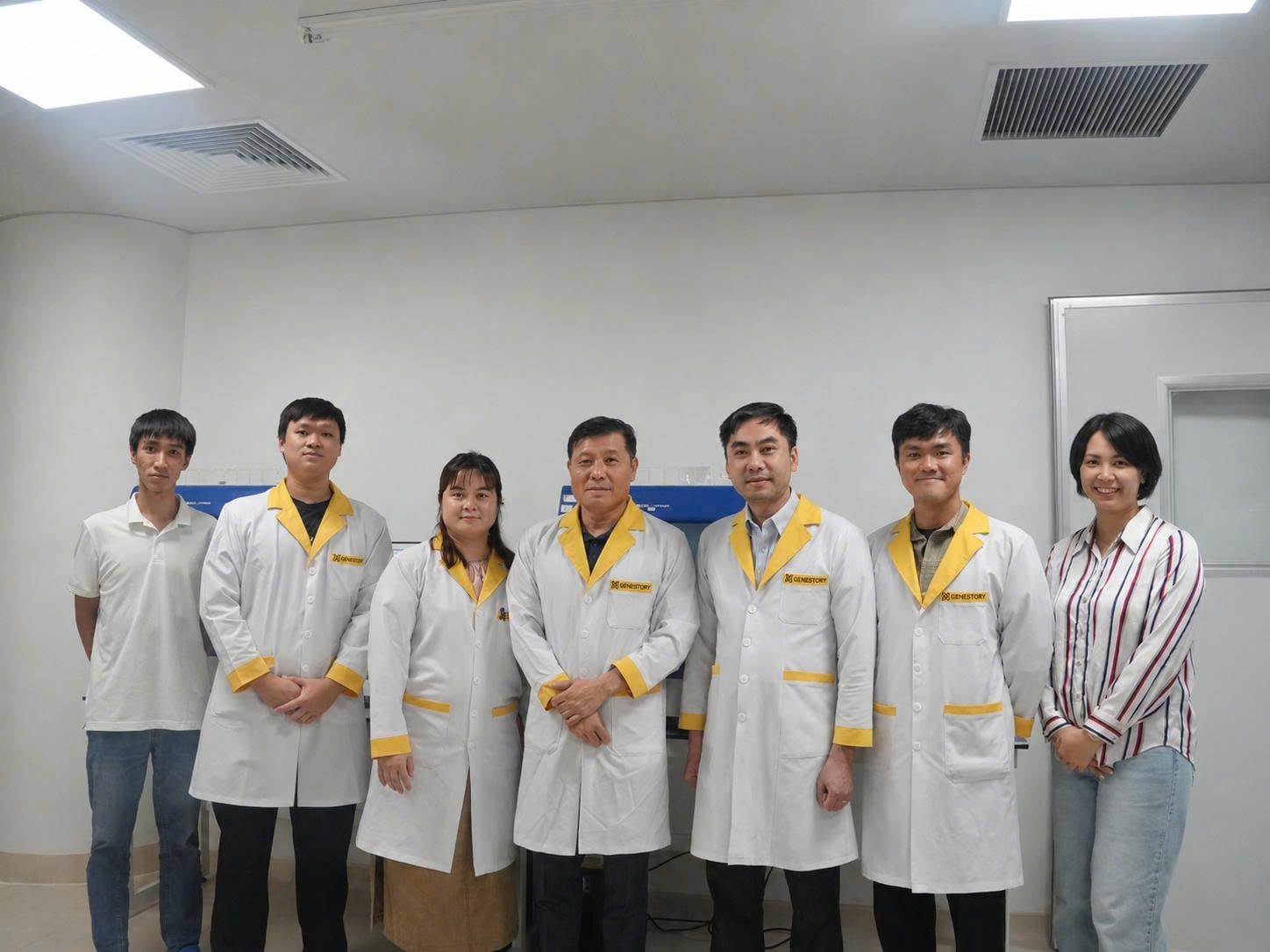
This platform is also supporting Vietnam’s national program for identifying war martyrs’ remains, bringing hope of reunion to families across the country.
The research team further expects VN1K to continue serving as a foundation for new applications in precision medicine, preventive medicine, and personalized healthcare, helping bring advances in human genetics closer to Vietnam’s healthcare system and its people.
Professor Vu Ha Van, who initiated the project, shared: “This is a pioneering study conducted entirely by Vietnamese scientists, in Vietnam, for the Vietnamese people. It lays the foundation for comprehensive future research on the Vietnamese genome. We hope it will be the first of a series of academically significant studies to follow.”
Dr. Vo Sy Nam, the project’s scientific lead and corresponding author of the publication: “From the very beginning, our goal was not only to build a large-scale genomic database and effective statistical and AI tools for Vietnamese genomic data, but also to create a platform through which research findings could be translated into applications that benefit the community. We expect VN1K to accelerate the development of preventive and precision medicine in Vietnam and bring practical benefits to the Vietnamese people.”
