
Saga 2025
Welcome to SAGA 2025!
The SAGA 2025 Executive Committee is delighted to welcome you to the International Symposium on Applied Genomics in Agriculture (SAGA 2025). We are thrilled that registration is now open for this groundbreaking event, hosted by VinUniversity Big Data Research Center.
SAGA 2025 aims to accelerate applied genomics across Viet Nam’s agri-food systems, strengthen research–industry collaboration, and leverage multi-omics to address critical challenges in livestock, aquaculture, crops, and environmental sustainability. The symposium will bring together academics, researchers, industry leaders, and practitioners to share knowledge and forge international partnerships. By participating, you will engage with leading experts, present your findings, and contribute to the advancement of omics-enabled agriculture.”
This symposium is more than just a conference—it’s a collaborative platform where science meets application, where research transforms into real-world solutions, and where the future of sustainable agriculture takes shape. Whether you’re presenting cutting-edge research, seeking innovative partnerships, or exploring the latest developments in agricultural genomics, SAGA 2025 offers an unparalleled opportunity to be at the center of this exciting field.
Join us as we work together to revolutionize agriculture through the power of applied genomics.
Registration is now open. Secure your place in this gathering of agricultural genomics pioneers.
Registration before 25 October 2025

Keynote Speakers
Professor Julius van der Werf
Holds an MSc and PhD (1990) from Wageningen University in the Netherlands. He was Assistant Professor in Wageningen from 1985 and Senior Researcher at the National Institute for Animal Science from 1993. In 1997, he moved to the University of New England, where he is Professor since 2007. He supervised over 65 PhD students and led the Sheep CRC genetics program for 15 years. He was in various industry advisory committees, the ARC expert panel, and editor of leading journals in animal genetics. He was Head of the School of Environmental and Rural Science at UNE and is now convenor of the Animal Science group.
Professor Robert Henry
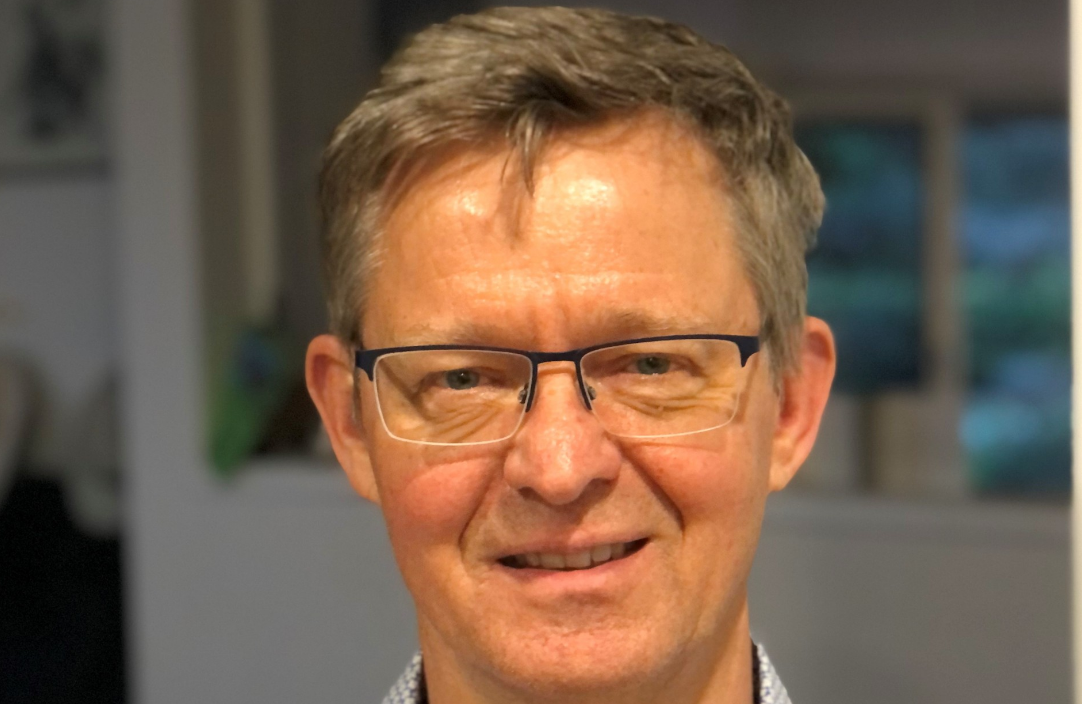
Professor Robert Henry is a leader in plant genomics and application to plant breeding, conservation of biodiversity and innovation in the production of food and industrial products from plants. He has been involved in establishment of many major research initiatives including the Queensland Alliance for Agriculture and Food Innovation (Foundation Director), the Grain Foods Cooperative Research Centre (Research Director) and the Centre for Plant Conservation Genetics (Director). His current roles include leading genomics in the ARC Research Hub for Engineering Plants to Replace Fossil Carbon and leading the University of Queensland node of the Centre of Excellence for Plant Success in Nature and Agriculture. He has sequenced and characterize the genomes of many major crops, crop wild relatives and rare and endangered plants (ranking him in the top 10 scientist globally in both plant breeding and transcriptome research). His work has revealed the molecular basis of many food quality traits.See more
Professor David Craik
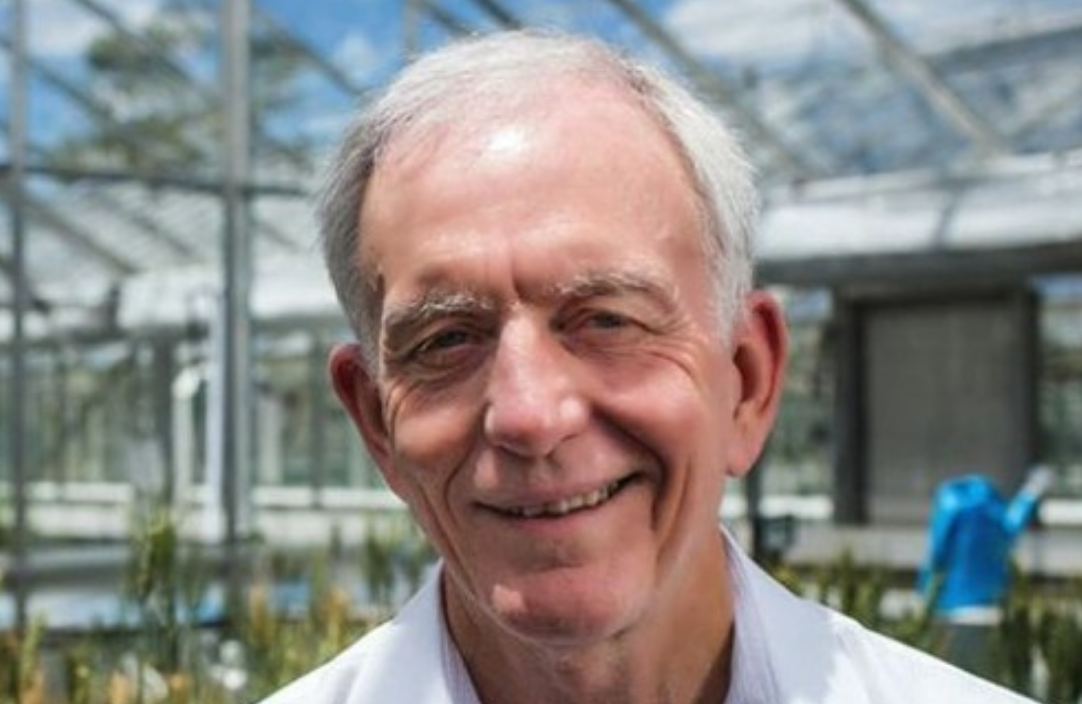
David Craik AO, FRS, FAA, is a Professor of Chemistry at the Institute for Molecular Bioscience at The University of Queensland, Brisbane, Australia, and Director of the Australian Research Council Centre of Excellence for Innovations in Peptide and Protein Science. His research focuses on applications of cyclic peptides and toxins in drug design. He is recipient of a number of prizes in the peptide field, including the Hirschmann Award of the American Chemical Society. He was awarded an Officer of the Order of Australia (AO) in 2023 in recognition of his services to the sciences of chemical biology and medicinal chemistry and to mentorship. He is author of more than 800 papers and has trained 100 PhD students.See more
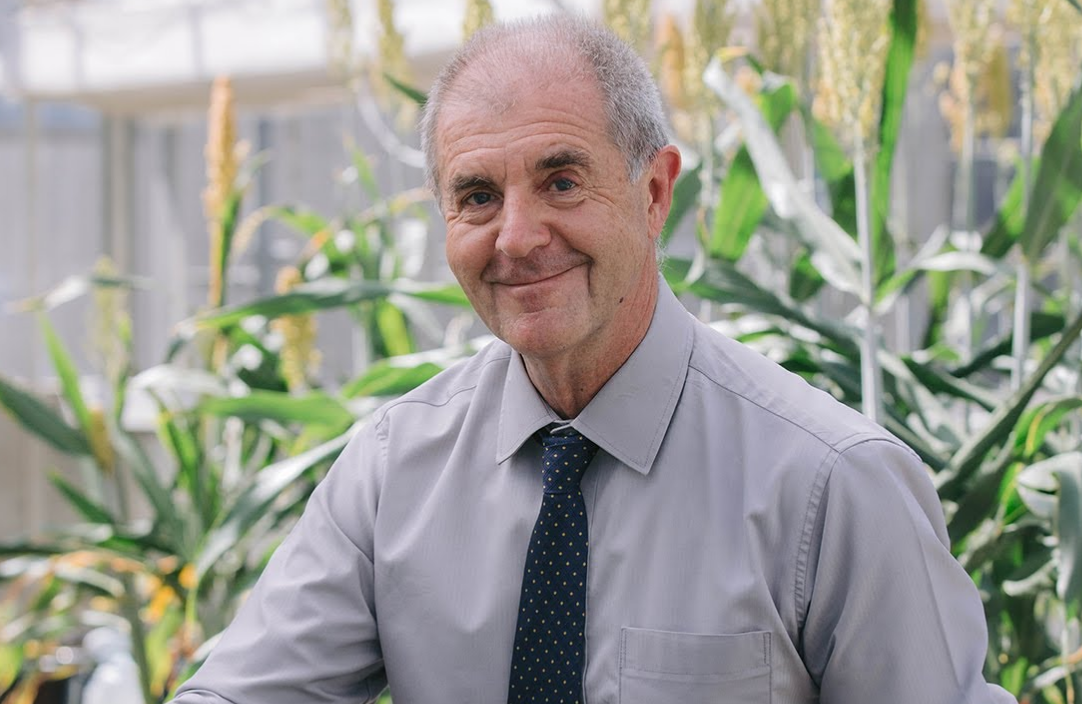
Professor Farnir Frederic
Professor Frédéric Farnir is a leading expert in biostatistics, bioinformatics, and quantitative genetics at the University of Liège, Belgium. His research focuses on genomic analyses, genetic variation in animals, trait association studies, and use of big-data methods to decipher complex relationships in biology
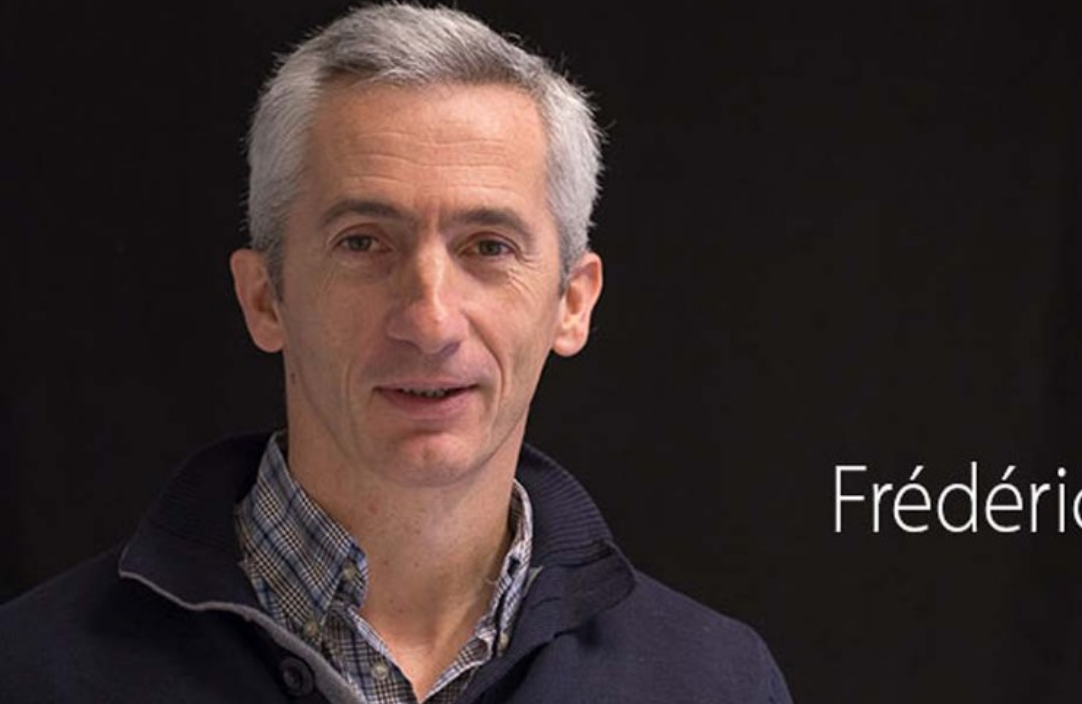
Dr. James Kijas
Dr. Kijas is a genome scientist and applied breeder with an international reputation in the field of animal science. He currently leads the Future Breeding Group within CSIRO that operates commercial breeding programs across the aquaculture industry. He has experience with the development and application of genomic tools to explore trait variation and accelerate genetic gain for species including Pacific white shrimp, barramundi, abalone and Atlantic salmon. His current research focuses include genetic diversity of Green mud crab and development of a breeding program for Australian Pompano.
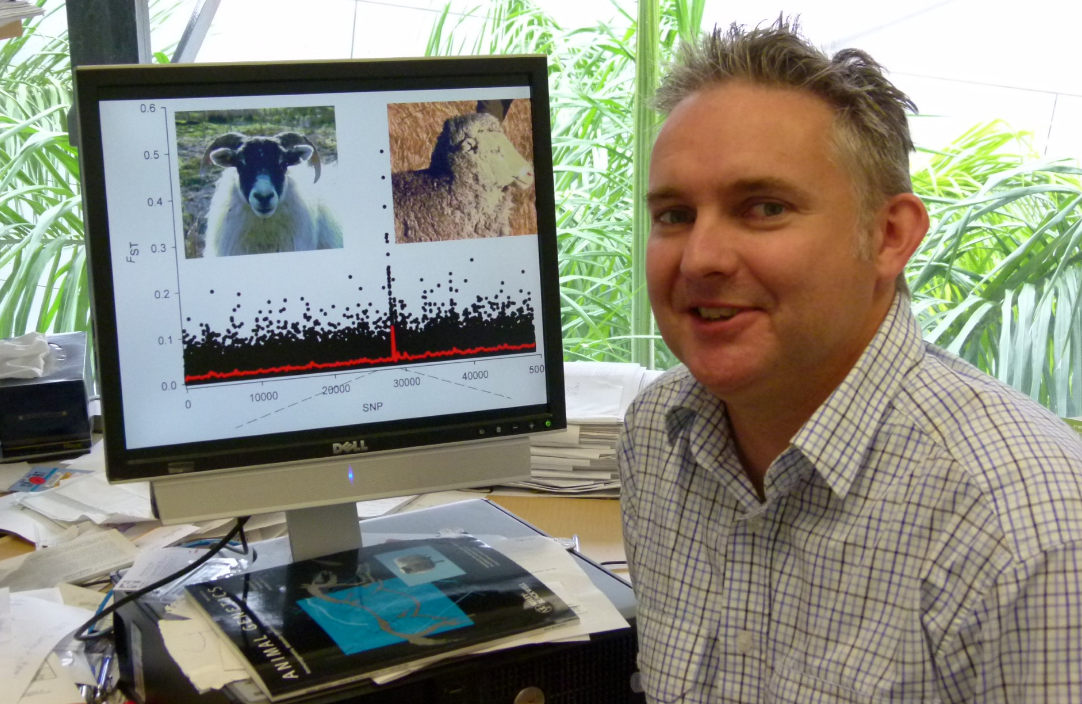
Professor Lee Hickey
Professor Lee Hickey is a plant breeder and crop geneticist at the Queensland Alliance for Agriculture and Food Innovation, The University of Queensland. As an ARC Future Fellow and Director of the $13 million ARC Training Centre in Predictive Breeding, he leads innovative research in wheat, barley, and chickpea improvement. Professor Hickey pioneered speed breeding technology, now adopted globally to accelerate the development of improved crop varieties for farmers. His current research integrates cutting-edge technologies—including genomic prediction, artificial intelligence, and genome editing—to enhance genetic gain in food crops. He has attracted more than $50 million in external funding across applied industry partnerships and fundamental discovery research. His work has been published in over 100 peer-reviewed articles, including high-impact journals such as Nature Plants, Nature Protocols, and Nature Biotechnology. Professor Hickey currently mentors 18 PhD students and has trained 20 graduates who now hold positions in leading plant breeding companies and research institutes worldwide.See more
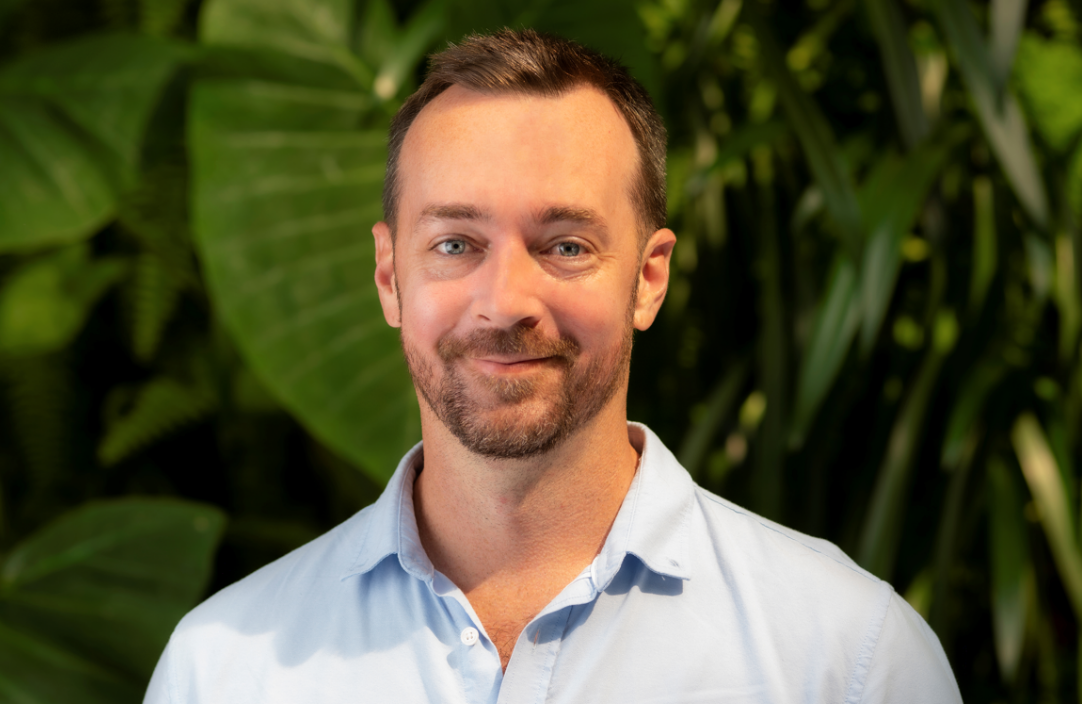
Dr. Quach Van An
Quach Van An serves as Deputy Director at the Department of Science and Technology in Ca Mau Province, bringing over two decades of environmental management and project leadership expertise. His international educational background includes degrees from Can Tho University (Vietnam), Clark University (USA), and Murdoch University (Australia), culminating in a Ph.D in Environmental Science in 2018. With extensive experience supervising World Bank-funded coastal protection projects and over 10 years in scientific project management, he specializes in investment promotion, environmental management, and sustainable development. His expertise spans climate change solutions, tourism development, and enterprise support, with a proven ability to translate research into practical applications.
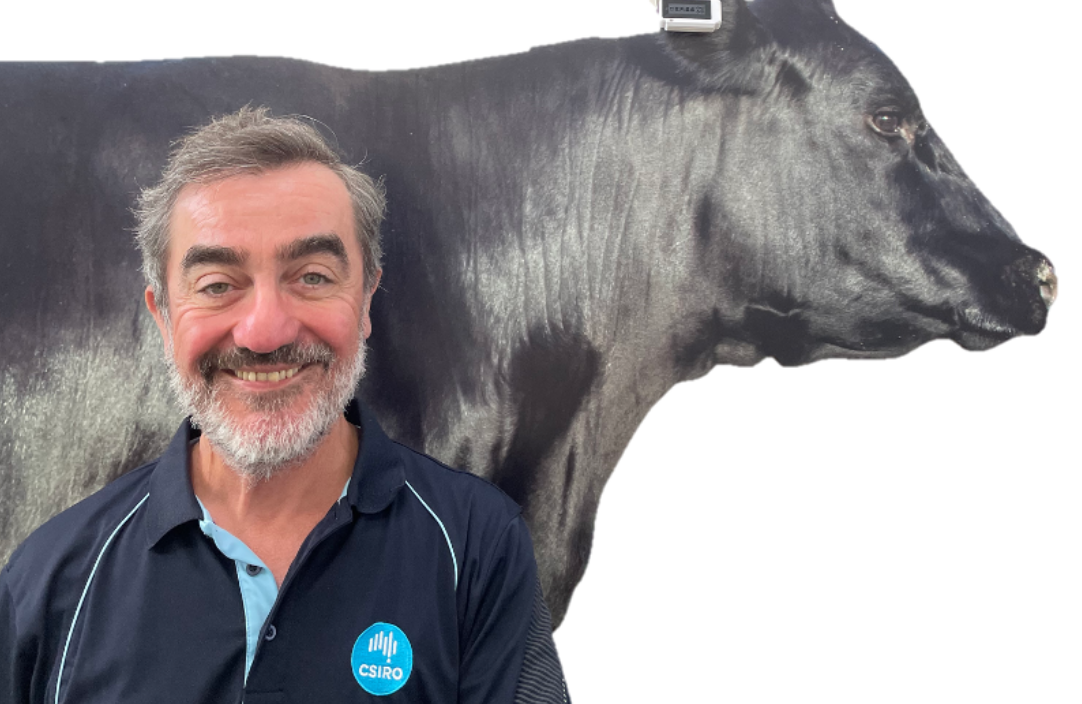
Dr. Antonio Reverter
Originally from Spain, Antonio Reverter (Toni) has a bachelor’s degree in Veterinary Sciences from Barcelona (Spain), coupled with a masters in Statistics and a PhD in Animal Sciences, both from Colorado State University (USA). Since 2002, Toni has been with CSIRO, the Australia’s national science agency, where he contributes expertise in computational and systems biology, as well as quantitative genetics and genomics. Hi current research focuses on the factors that influence the accuracy, bias and dispersion of genomic predictions. This work has progressed into the creation and commercial application of genomic tools that provide significant insights into the health, productivity, and reproductive potential of Australia's leading and most valuable cattle breeds.
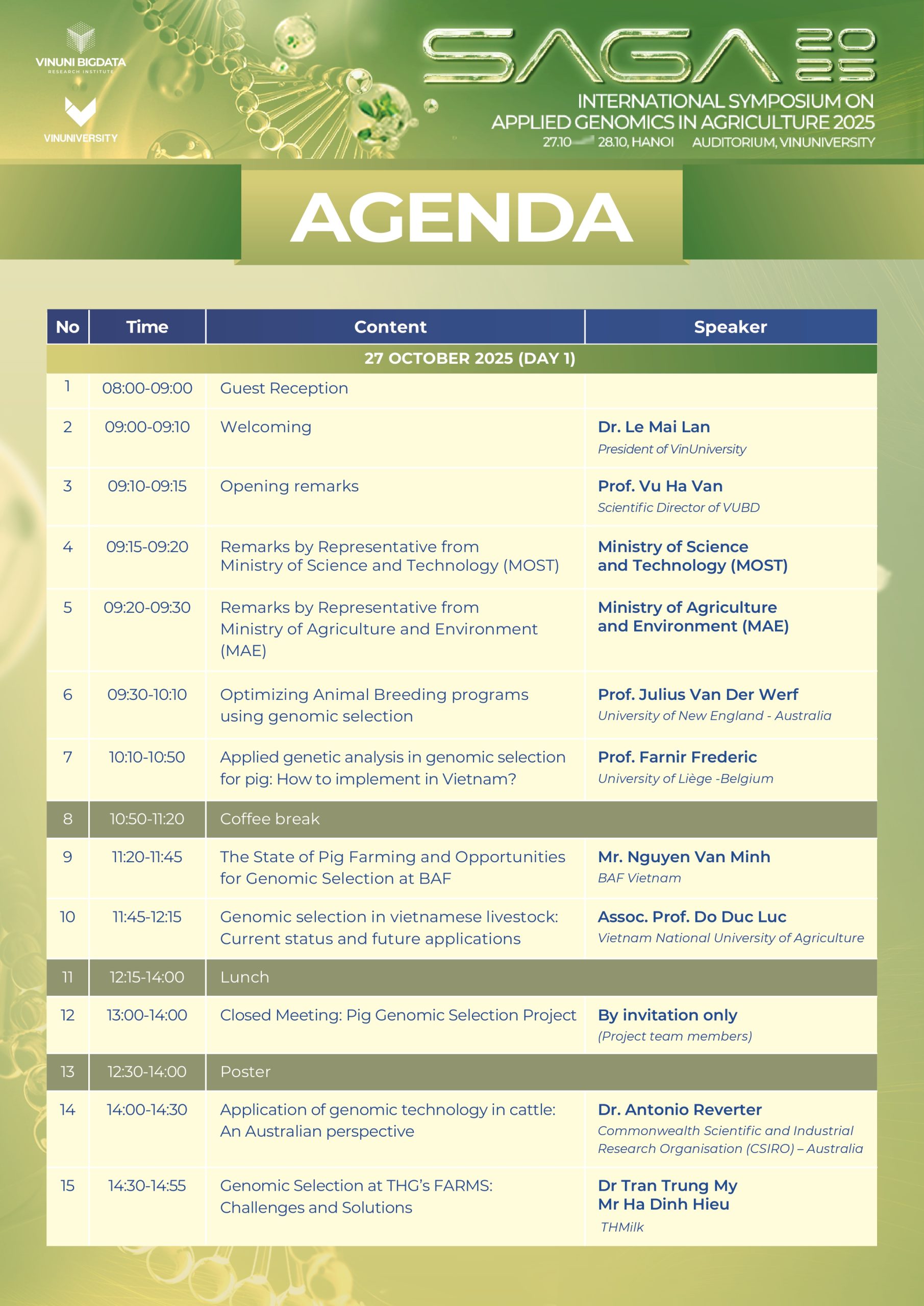
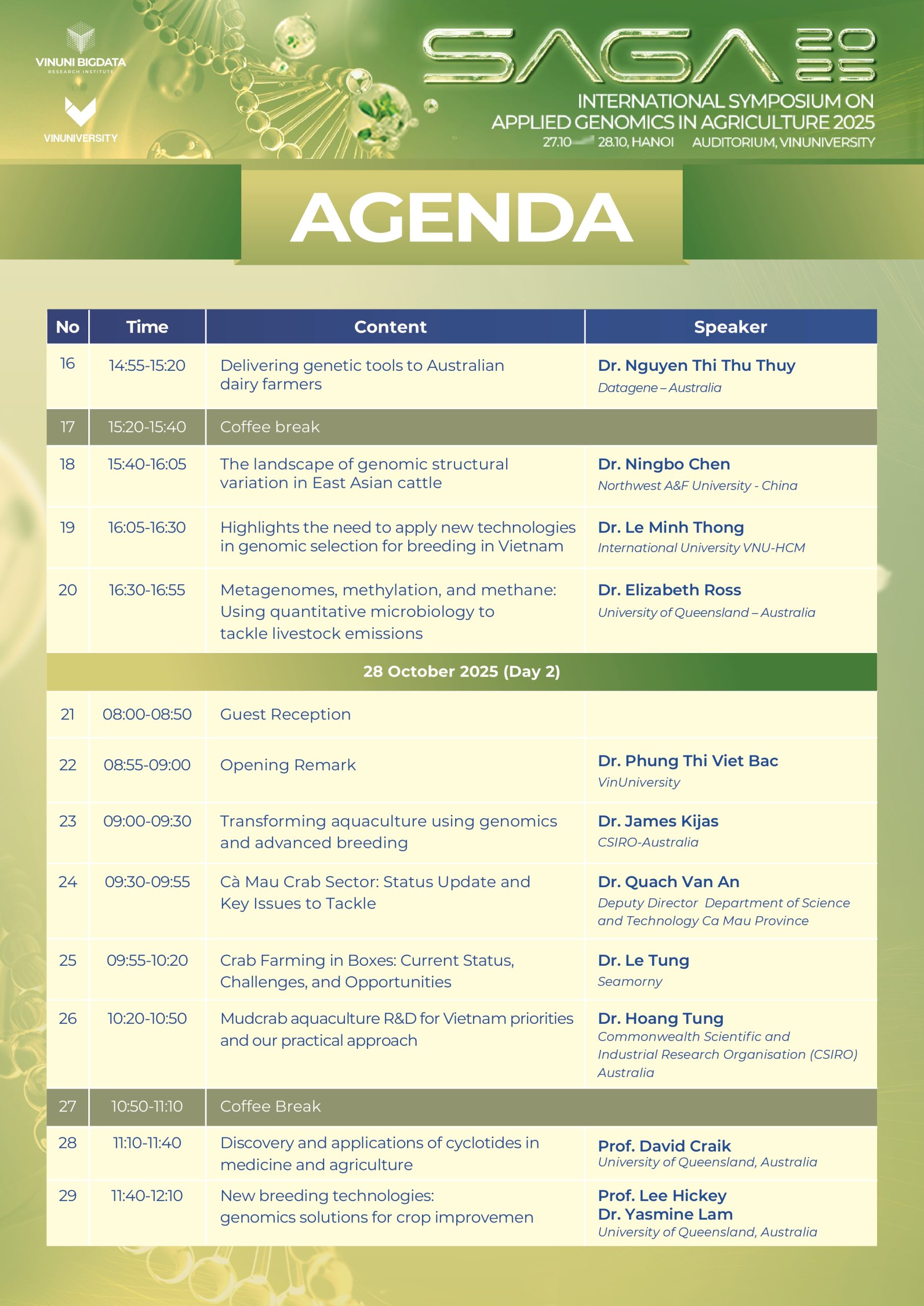
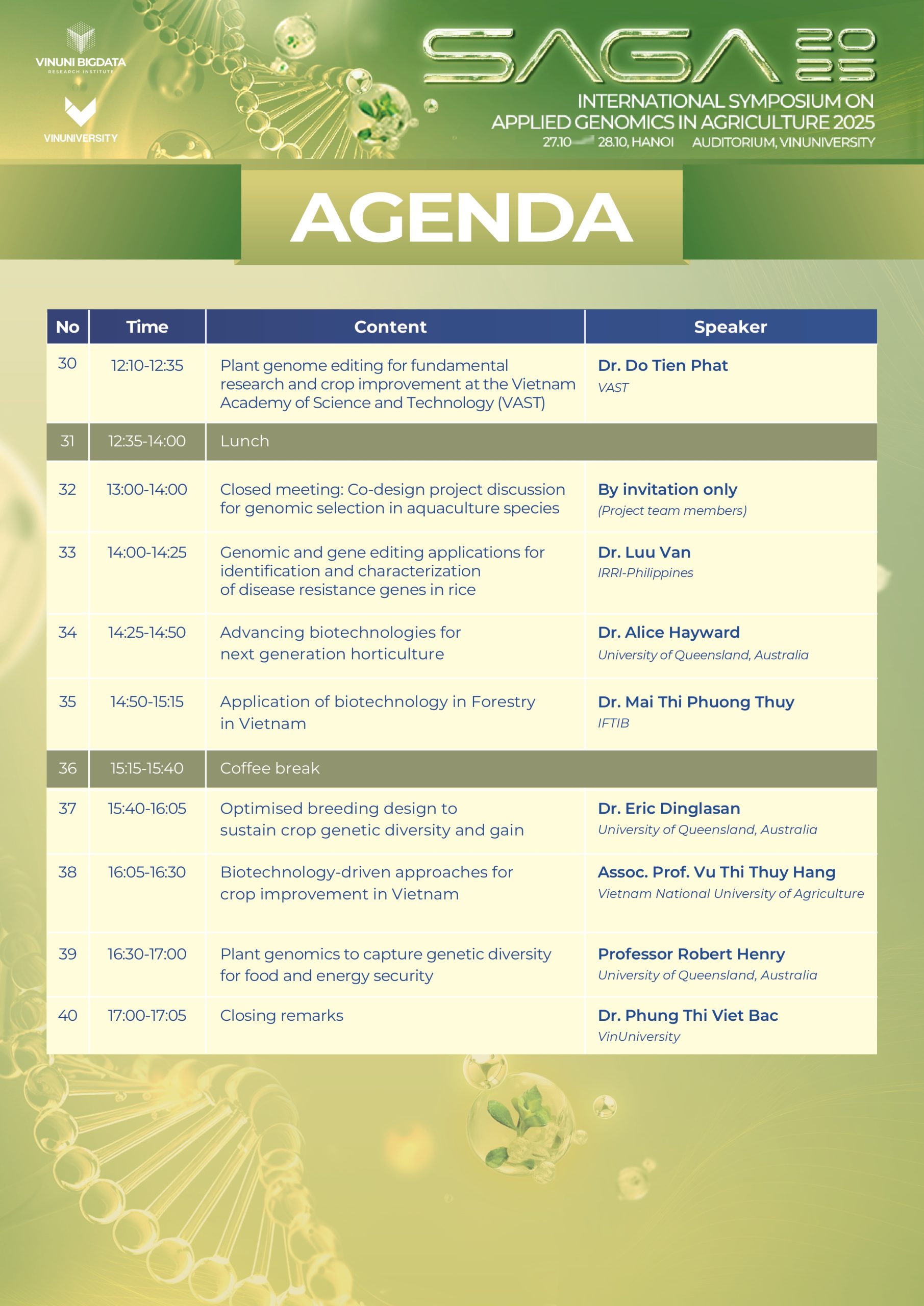
PROGRAM
International Symposium on applied genomics in agriculture (SAGA 2025)
Organizer: VinUniversity, Hanoi, Vietnam
Venue: Auditorium, VinUniversity
Time: 27–28 October, 2025
Contact Us
Contact us at: saga@vinuni.edu.vn
